Wiggle guide
Morning Stretches for Energy: A 7-Minute Wake-Up Reset
Morning stretches for energy when you wake up stiff, slow, or foggy. Use this gentle 7-minute routine before coffee, messages, or meetings.
morning stretches for energy
The annoying part of a low-energy morning is that the advice usually asks for motivation before you have any. A hard workout, a cold shower, or a complicated routine can be useful for some people, but they are terrible first steps when your body feels stiff and your brain is still loading.
Morning stretches for energy should do one job: make the first movement of the day easier. Start with a tiny, repeatable sequence, finish before it becomes impressive, and let momentum build from there.
If you mainly wake up with back stiffness, use morning stretches for back pain. If the stuck feeling is more whole-body, use morning stretches for stiffness. If you want a broader joint-focused version, use the morning mobility routine. If you are new to stretching and want the simplest starting point, use morning stretches for beginners. If you want the shortest complete sequence, use the 5-minute morning stretch. If you are still under the blanket, start with morning stretches in bed.
What are morning stretches for energy?
Morning stretches for energy are short, gentle movements that help you shift from sleep into ordinary daily motion. They work best when they combine breathing, easy joint movement, light spinal motion, and a standing transition instead of deep holds or intense effort.
Think of them as a wake-up ramp, not a performance routine. They will not replace enough sleep, hydration, breakfast, or medical care, but they can make groggy mornings feel less stuck.
What is the fastest energizing morning stretch routine?
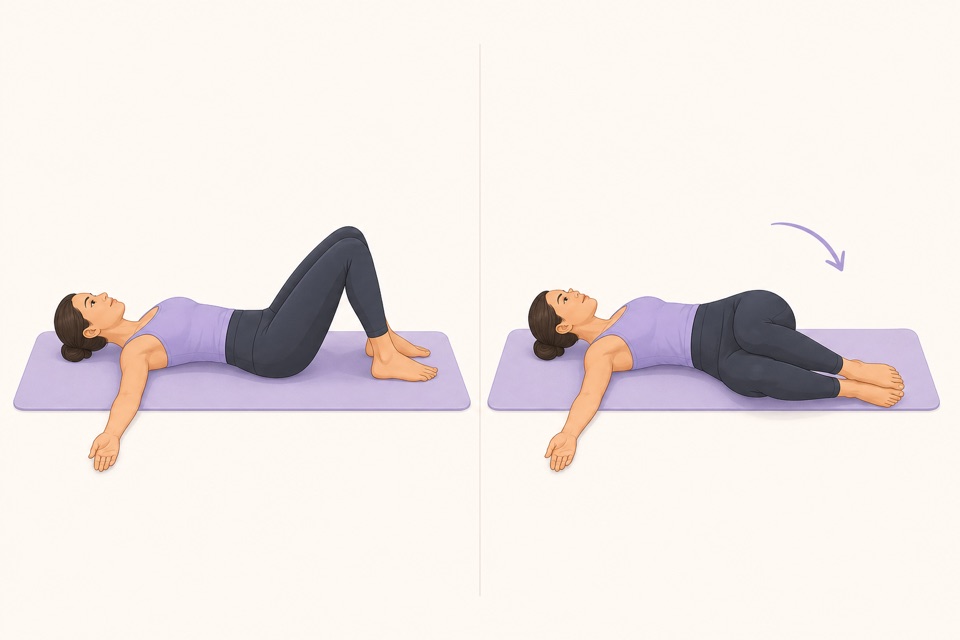
The fastest useful routine is 5 to 7 minutes: breathe, move small joints, rotate the trunk gently, open the shoulders, reach overhead, hinge at the hips, then walk. If you only have two minutes, keep the same order and shorten each step.
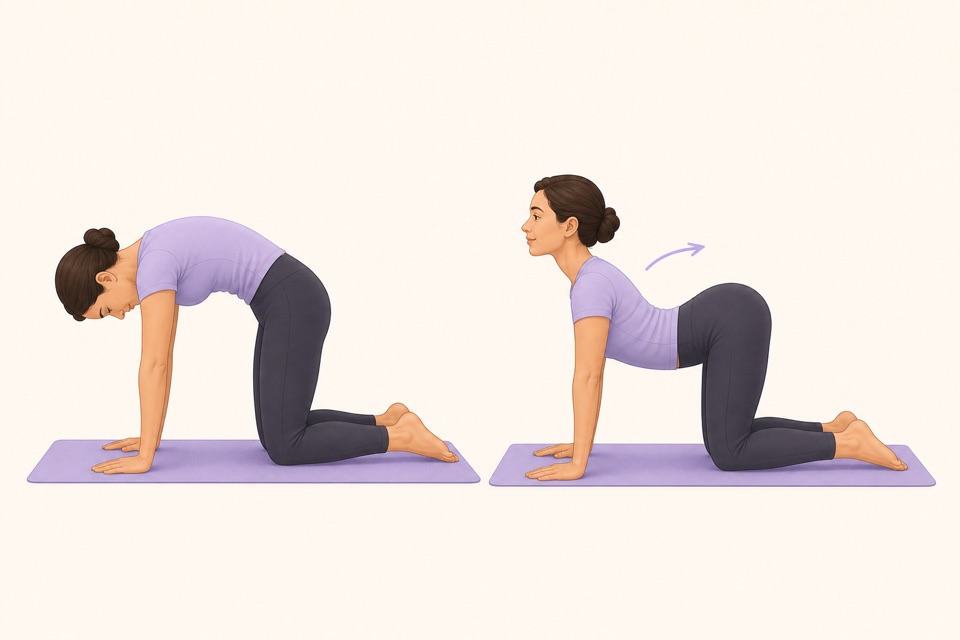
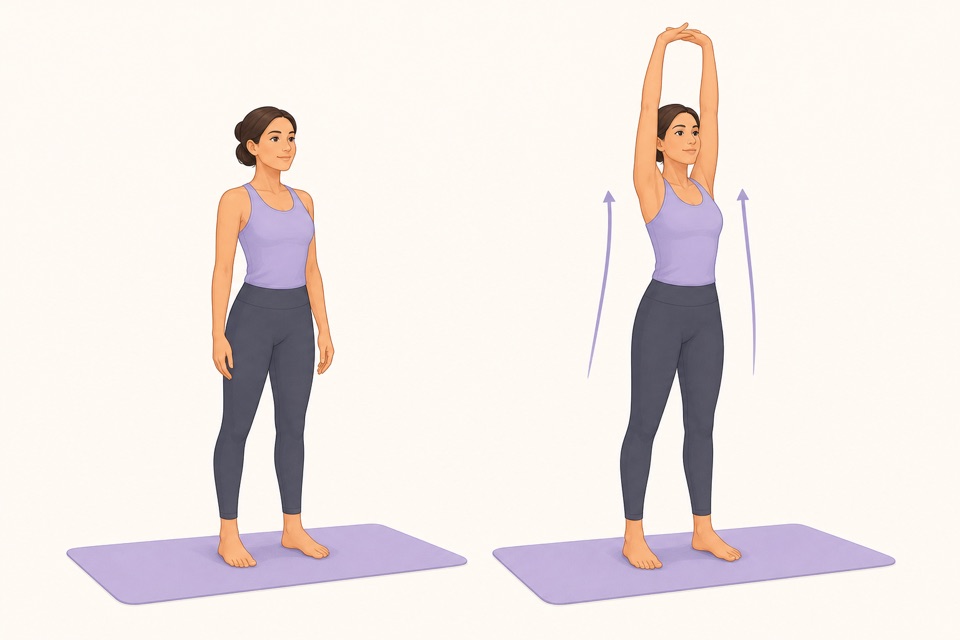
| Move | Time | Why it helps | Make it easier | | --- | ---: | --- | --- | | Slow breathing | 30 sec | Gives the routine a calm start | Sit against pillows | | Ankle and wrist circles | 45 sec | Wakes up small joints first | Move one side at a time | | Lower trunk rotation | 60 sec | Adds gentle back and hip motion | Keep the range tiny | | Cat-cow or seated cat-cow | 60 sec | Moves the spine without deep holds | Do it seated on the bed | | Shoulder circles | 45 sec | Eases upper-body stiffness | Circle one shoulder at a time | | Overhead reach | 60 sec | Opens ribs, shoulders, and sides | Reach one arm at a time | | Supported hip hinge | 60 sec | Brings hips and hamstrings online | Hold a wall or dresser | | Easy walk | 60 sec | Turns stretching into morning movement | Walk around the room |
Do the routine before checking messages if you can. The point is not moral discipline. It is protecting the first few minutes from becoming a scroll session.
From Wiggle
Recommended moves
Should energizing stretches be dynamic or static?
Use mostly gentle dynamic stretches right after waking. Small circles, rocks, reaches, and easy transitions are usually easier than long static holds because your body is moving from stillness into activity. Save deeper holds for later in the day.
Use this decision rule:
| Morning state | Start with | Avoid at first | | --- | --- | --- | | Groggy and stiff | Breathing, ankle circles, trunk rocks | Deep forward folds | | Low energy but no pain | Shoulder circles, overhead reaches, easy walk | Long intense holds | | Tight from yesterday's sitting | Cat-cow, hip hinge, calf movement | Forcing hamstring range | | Rushed | A 2-minute version | Searching for a new video | | Sore or uncertain | Rest, tiny movement, or professional guidance | Treating pain as progress |
This keeps the routine practical. You are trying to create a reliable morning cue, not prove flexibility before breakfast.
How do you make morning stretches feel energizing instead of draining?
The routine feels energizing when it stays below the point where your body starts bargaining. Keep the first week boring, short, and repeatable. A mild routine that happens every morning beats a perfect routine that depends on motivation.
Use this checklist:
- Start before coffee or messages when possible.
- Keep the first version under seven minutes.
- Move through comfortable range only.
- Breathe normally instead of holding your breath.
- Use the same movement order for a full week.
- Let the two-minute version count on busy mornings.
- Stop while you still feel like you could do more.
If you want a simpler first step, use wake up stretches. If you want the habit to keep going outside the morning, pair this with a daily stretching app.
When should you be cautious?
Use this guide for mild everyday stiffness and low-friction habit-building, not for diagnosing or treating pain. Mainstream flexibility guidance supports gentle stretching, but it also emphasizes staying within comfortable range and not forcing painful movement.
Stop if you feel sharp pain, dizziness, numbness, weakness, spreading symptoms, chest symptoms, or anything that feels wrong. Ask a qualified professional about new, severe, persistent, injury-related, or medical-condition-related symptoms.
How can Wiggle help with morning energy?
Wiggle removes the hidden effort from morning stretches for energy: choosing moves, remembering the order, timing each step, and deciding whether a tiny session counts. Open a short guided routine, follow the next move, and finish before the day turns into negotiation.
The specific next step: use Wiggle for one 7-minute morning wake-up routine tomorrow, then repeat the same session for a week before changing anything.
Sources
Why we keep it gentle
These guides are written for everyday stiffness and habit-building. They are grounded in mainstream guidance on flexibility, movement, and when to seek medical help.
- Stretching: Focus on flexibilityMayo Clinic
- Physical Activity Guidelines for AmericansU.S. Department of Health and Human Services
- Sleep and Sleep DisordersCenters for Disease Control and Prevention
FAQ
Questions people ask
Can morning stretches really help with energy?
Morning stretches can help you feel more awake by giving your body a low-friction transition from sleep to movement. They are not a substitute for sleep, food, hydration, or medical care, but gentle motion can make the first few minutes of the day feel less stiff and easier to start.
What are the best morning stretches for energy?
The best morning stretches for energy are simple movements you can repeat: ankle circles, lower trunk rotations, cat-cow, shoulder circles, overhead reaches, a supported hip hinge, and a short walk. Start small, breathe normally, and avoid forcing deep range right after waking.
How long should an energizing morning stretch routine take?
Start with 5 to 7 minutes. That is enough time to move your spine, hips, shoulders, ankles, and breathing without turning the morning into a workout. If you are rushed, a 2-minute version still counts.
Should morning stretches be dynamic or static?
Use mostly gentle dynamic movements first: circles, rocks, reaches, and easy transitions. Static holds can come later, but movement-first stretching is usually easier when you are stiff, groggy, or trying to build a repeatable morning habit.
When should I skip morning stretches?
Skip or stop the routine if you feel sharp pain, dizziness, numbness, weakness, spreading symptoms, chest symptoms, or anything that worries you. Ask a qualified professional about new, severe, persistent, injury-related, or medical-condition-related symptoms.