Wiggle guide
Morning Stretches in Bed for a Gentler Start
A tiny in-bed morning routine for stiff, sleepy bodies before the day gets loud.
morning stretches in bed

Morning stretches in bed work best when they are small enough to do before your brain starts negotiating. If you wake up stiff or groggy, the first win is gentle movement, not a full routine.
Keep the range easy. The goal is to wake the body up gradually while you are still warm and comfortable.
When you are ready to stand up, continue with wake up stretches, a 5-minute morning stretch, or a short morning mobility routine so the habit moves from bed to the rest of the day.
If you are older or helping a parent build a safer wake-up habit, move from this in-bed version into morning stretches for seniors, which uses a stable chair before any standing stretches.
4-minute in-bed routine
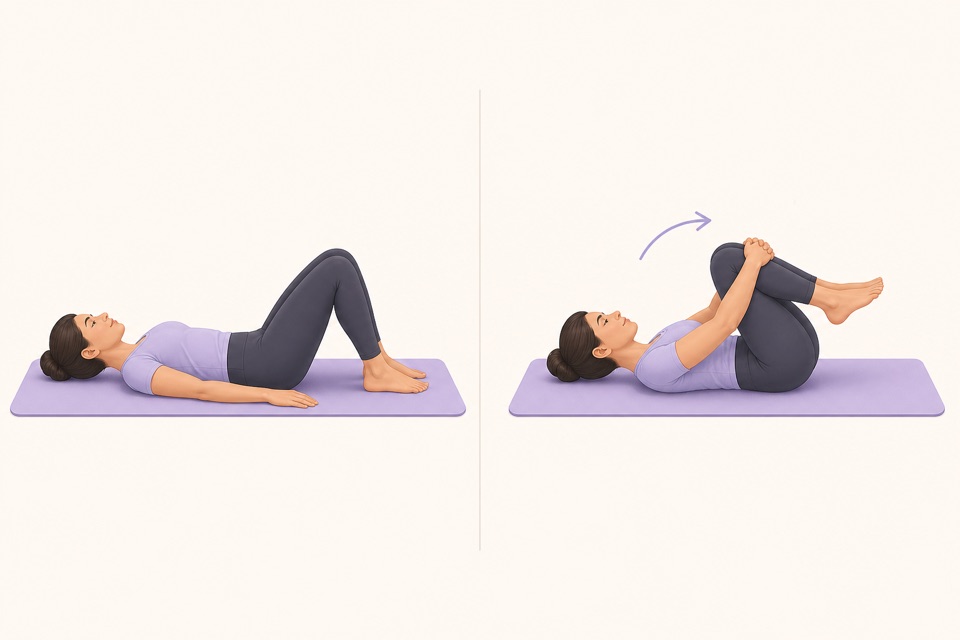
- Bend both knees and take five slow breaths.
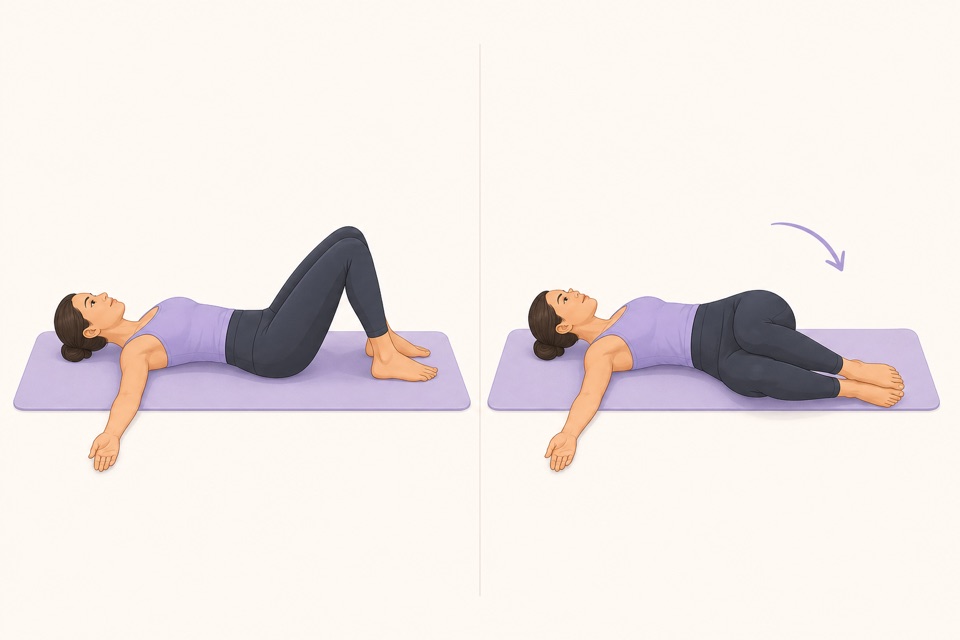
- Rock your knees side to side in a small range.
- Hug one knee toward your chest if it feels comfortable, then switch.
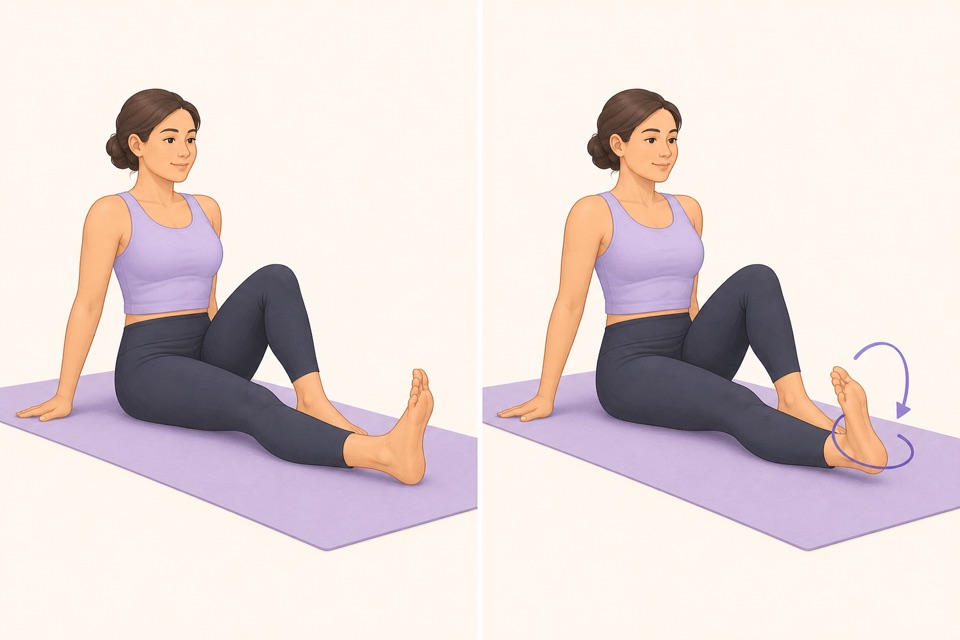
- Point and flex both ankles.
- Cross one ankle over the opposite knee for a mild hip stretch.
- Roll to your side before sitting up.
Make it stick
- Keep the routine under five minutes.
- Use a timer so you do not check the clock.
- Stop before the stretch feels intense.
- Pair it with your first alarm or first sip of water.
- Repeat the same order for a week.
From Wiggle
Recommended moves
Turn it into a routine
The easiest morning habit is the one you can begin while you are still half-asleep. Once you are moving, it is much easier to choose a longer routine later.
This is where a guided app helps: the fewer decisions you make, the more likely you are to repeat the session. A visible timer, a clear next movement, and a saved routine remove the tiny bits of friction that usually stop a good intention.
Sources
Why we keep it gentle
These guides are written for everyday stiffness and habit-building. They are grounded in mainstream guidance on flexibility, movement, and when to seek medical help.
- Stretching: Focus on flexibilityMayo Clinic
- Physical Activity Guidelines for AmericansU.S. Department of Health and Human Services
- Back painMedlinePlus
FAQ
Questions people ask
How long should I do morning stretches in bed?
Start with 3 to 10 minutes and keep every stretch mild. A shorter routine you repeat is more useful than a long routine you avoid.
Can beginners use this routine?
Yes. Choose a comfortable range of motion, move slowly, breathe normally, and skip any stretch that does not feel right for your body.
When should I stop or skip this routine?
Use this for mild everyday stiffness only. Stop if you feel sharp pain, numbness, dizziness, weakness, or symptoms that worry you. Ask a qualified professional for new, severe, persistent, radiating, injury-related, or medical-condition-related pain.
How should the stretch feel?
Aim for mild tension that lets you breathe normally. Avoid bouncing, forcing range, or treating pain as progress.
How can Wiggle help with this routine?
Wiggle keeps the routine timed and simple, shows the next move, and saves the habit loop so you do not have to rebuild the session each time.