Wiggle guide
Morning Mobility Routine: 8 Gentle Minutes Before the Day Starts
A gentle morning mobility routine for sleepy joints, stiff hips, tight shoulders, and an easier first move into the day.
morning mobility routine

The morning problem is not that you lack discipline. It is that your body is going from stillness to demands, and most routines ask for too much before you have momentum.
Use this morning mobility routine when you want the first move of the day to feel easier. It is not a workout, a flexibility test, or a fix for pain. It is a short reset for everyday stiffness so you can stand up, breathe, and start without negotiating with yourself. On workdays, use the shorter morning stretches before work version when you need to avoid the floor and get moving fast.
What should a morning mobility routine include?
A morning mobility routine should include gentle movement for the spine, shoulders, hips, ankles, and breathing. Start with small ranges, then gradually move toward standing. The best routine is the one you can repeat before coffee, messages, or meetings pull your attention away.
Morning mobility is different from trying to stretch as far as possible. The first job is circulation, joint motion, and confidence. If a move feels intense, make it smaller or skip it.
The 8-minute morning mobility routine
Use this as a default sequence for mild everyday stiffness. Keep the effort low enough that you could still hold a conversation.
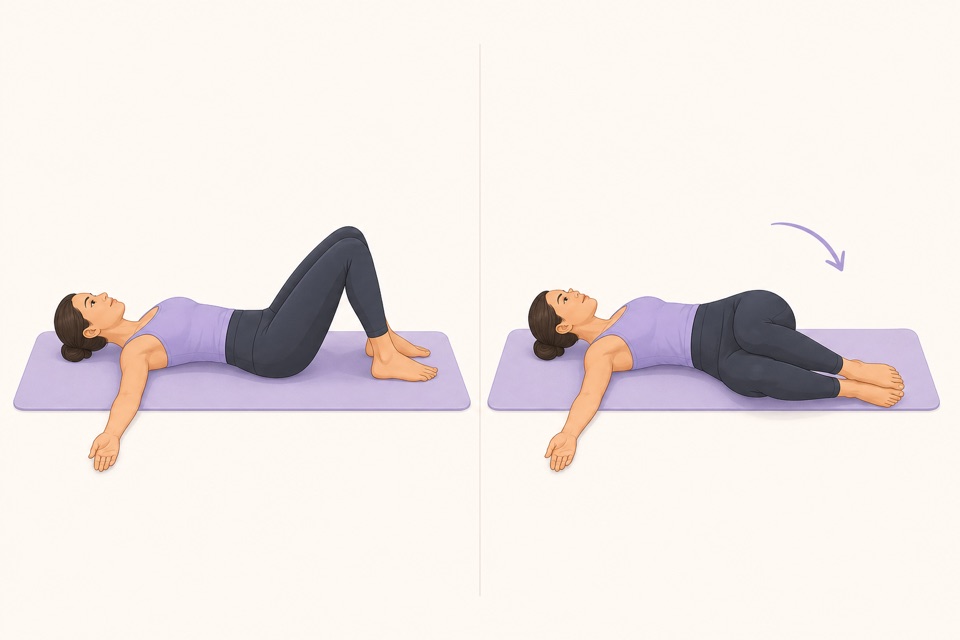
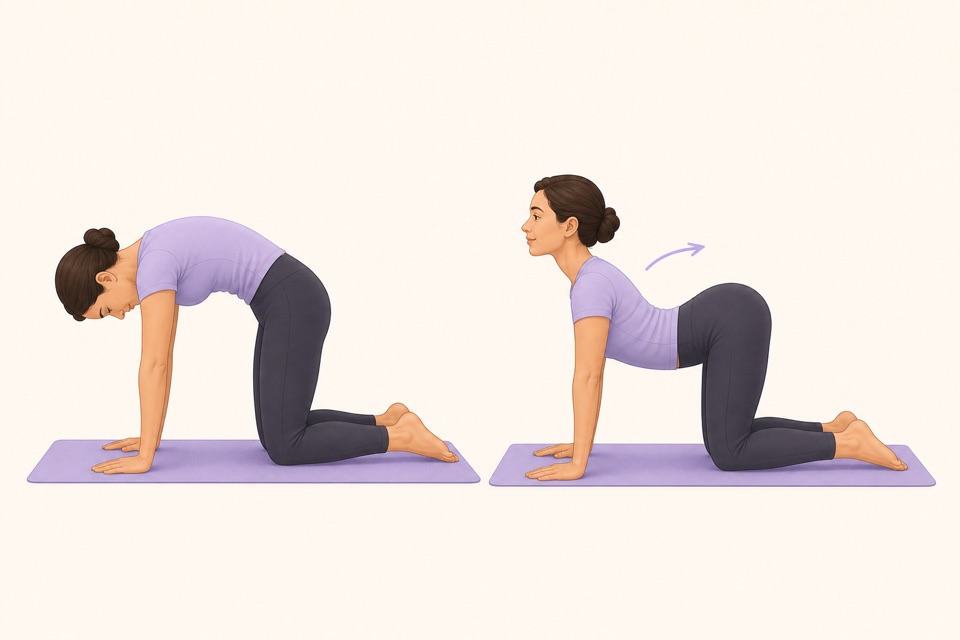
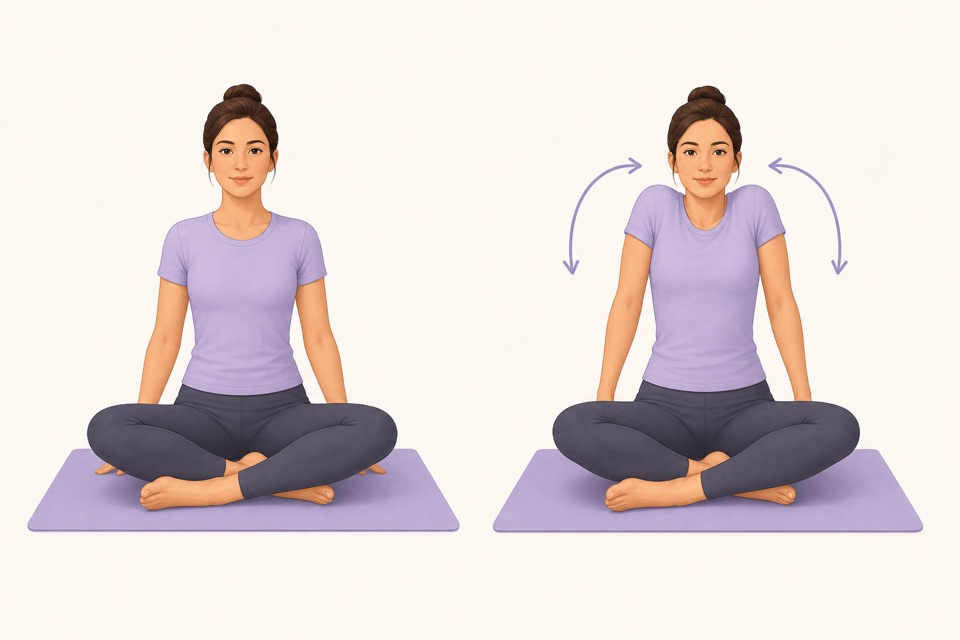
| Move | Time | Why it helps | Make it easier | | --- | ---: | --- | --- | | Slow breathing | 45 sec | Lowers the rush into the day | Sit against pillows | | Ankle and wrist circles | 45 sec | Wakes up small joints first | Use smaller circles | | Lower trunk rotation | 60 sec | Adds gentle spinal and hip motion | Keep knees closer together | | Cat-cow or seated cat-cow | 60 sec | Moves the back without long holds | Do it seated on the bed | | Shoulder circles | 60 sec | Eases upper-body stiffness | Move one shoulder at a time | | Overhead reach | 60 sec | Opens the ribs and shoulders | Reach one arm at a time | | Supported hip hinge | 75 sec | Wakes up hips and hamstrings | Hold a countertop | | Easy walk or calf raises | 75 sec | Transitions into standing movement | Walk around the room |
If you only have three minutes, do breathing, trunk rotations, shoulder circles, and an easy walk. Counting a smaller routine is better than skipping because the full version felt too long.
From Wiggle
Recommended moves
Is morning mobility or morning stretching better?
Morning mobility is usually the better first step when you wake up stiff because it uses gentle motion before deeper holds. Static stretching can still fit later, but a movement-first sequence is easier to start and less likely to feel like a full workout.
Use this decision rule. If the main problem is the stuck feeling right after sleep, the more specific morning stretches for stiffness routine may be the easier first step.
| If you wake up feeling... | Start with... | Avoid at first | | --- | --- | --- | | Groggy and stiff | Breathing, circles, trunk rocks | Deep forward folds | | Tight from sitting yesterday | Hips, calves, upper back | Forcing hamstring range | | Rushed | A 3-minute version | Searching for a new routine | | Sore or uncertain | Very small movements or rest | Treating pain as progress |
Morning mobility routine is a practical phrase for this: a repeatable sequence of low-intensity movement that helps joints feel ready for ordinary daily motion.
How do you make the routine easier to repeat?
The easiest morning routine removes choices. Put the same moves in the same order, attach them to an existing cue, and stop before the session becomes impressive. Consistency beats variety here because the habit has to survive sleepy mornings.
Try this checklist for the first week:
- Use one saved routine, not a new video every morning.
- Keep the first version under eight minutes.
- Start before checking messages.
- Put water, slippers, or your mat where the routine starts.
- Let a three-minute version count on busy days.
- Repeat the same order for seven mornings before adding anything.
For a tiny first-move version, use wake up stretches. For a stretch-first version, use the morning stretching routine. If lower-back stiffness is the reason you are starting, use morning stretches for back pain. If the main problem is feeling slow and groggy, use morning stretches for energy. If you want to begin before getting out of bed, use morning stretches in bed. For a broader habit, pair this with a daily stretching app.
When should you be cautious?
Use this guide for mild everyday stiffness, not for diagnosing or treating pain. Mainstream fitness guidance generally supports gentle flexibility work, but it also matters that you do not force range or ignore symptoms that need personal care.
Stop the routine if you feel sharp pain, dizziness, numbness, weakness, spreading symptoms, chest symptoms, or anything that feels wrong. Ask a qualified professional about new, severe, persistent, injury-related, or medical-condition-related symptoms.
How can Wiggle turn this into a habit?
Wiggle reduces the hidden effort in morning mobility: choosing moves, remembering the order, timing each step, and deciding whether a tiny session counts. Open a short guided routine, follow the next move, and finish before the day becomes a negotiation.
The specific CTA is simple: use Wiggle for an 8-minute morning mobility routine tomorrow, then repeat the same session for a week before changing anything.
Sources
Why we keep it gentle
These guides are written for everyday stiffness and habit-building. They are grounded in mainstream guidance on flexibility, movement, and when to seek medical help.
- Stretching: Focus on flexibilityMayo Clinic
- Physical Activity Guidelines for AmericansU.S. Department of Health and Human Services
- Back painMedlinePlus
FAQ
Questions people ask
What is a morning mobility routine?
A morning mobility routine is a short sequence of gentle joint movements and easy stretches that helps your body move from sleep into the day. It should feel lighter than a workout and simple enough to repeat before your schedule gets noisy.
How long should a morning mobility routine take?
Start with 5 to 8 minutes. That is long enough to move your spine, shoulders, hips, ankles, and breathing without turning the habit into a project. If you are stiff or new to stretching, keep the range small and finish while it still feels easy.
Is morning mobility better than morning stretching?
Morning mobility is often easier first because it uses motion before long holds. Stretching can still help, but immediately after waking many people do better with gentle circles, rocks, reaches, and supported movements before deeper static stretches.
When should I skip morning mobility?
Skip or stop the routine if you feel sharp pain, dizziness, numbness, weakness, spreading symptoms, or anything that worries you. Ask a qualified professional about new, severe, persistent, injury-related, or medical-condition-related symptoms.
How can Wiggle help with morning mobility?
Wiggle makes morning mobility easier to repeat by handling the timer, exercise order, and habit cue. Open a short guided routine, follow the next move, and finish without deciding what to do while you are still half-awake.