Wiggle guide
Morning Stretches for Flexibility: A Gentle 8-Minute Routine
Use these morning stretches for flexibility to move your hips, back, calves, and shoulders gently, with an 8-minute routine and clear stop signs.
morning stretches for flexibility
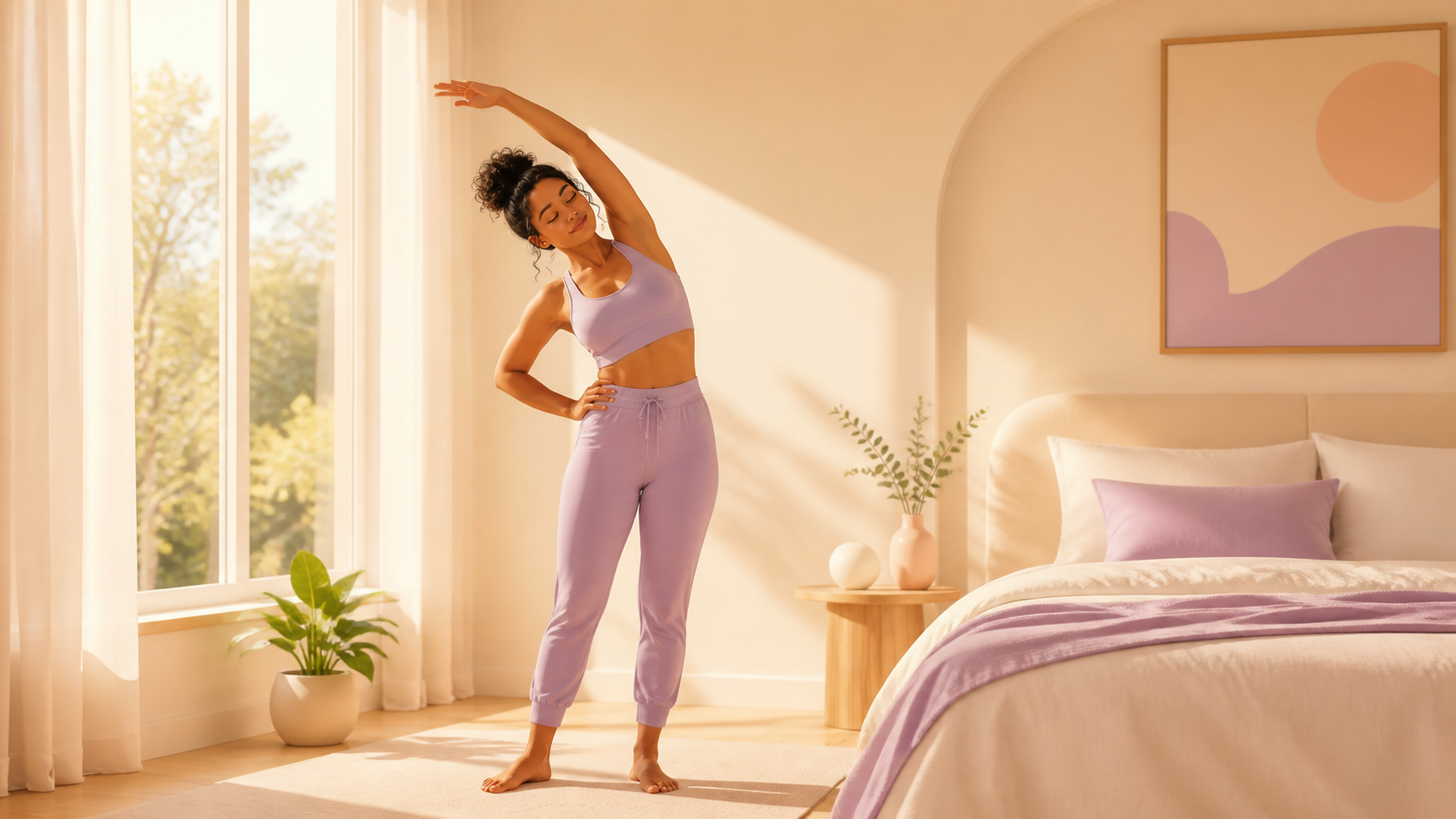
Waking up stiff makes flexibility feel farther away than it is. The usual mistake is testing your deepest range before your body has made the transition from sleep to movement. That can turn a useful habit into an unpleasant daily exam.
Morning stretches for flexibility work better as a gradual sequence: move first, hold later, and stop well before strain. The eight-minute routine below covers the hips, hamstrings, calves, spine, shoulders, and sides without requiring equipment or floor acrobatics.
If you need an easier entry point, start with morning stretches for beginners. If stiffness is the main problem, use morning stretches for stiffness. For a more movement-heavy flow, choose the morning mobility routine.
What are morning stretches for flexibility?
Morning stretches for flexibility are gentle movements and short holds performed after waking to practise comfortable range of motion. They are not a one-session flexibility test. Their value comes from giving your major joints and muscle groups a repeatable, low-effort dose of movement.
Flexibility is the ability of a joint or group of joints to move through an available range of motion. Stretching is one way to practise that range, while strength, injury history, anatomy, and consistency also affect how movement feels.
What is the best 8-minute morning flexibility routine?
The best routine starts with small dynamic movements, progresses to short supported holds, and finishes upright. Use mild tension rather than pain, breathe normally, and keep the range smaller on unusually stiff mornings.
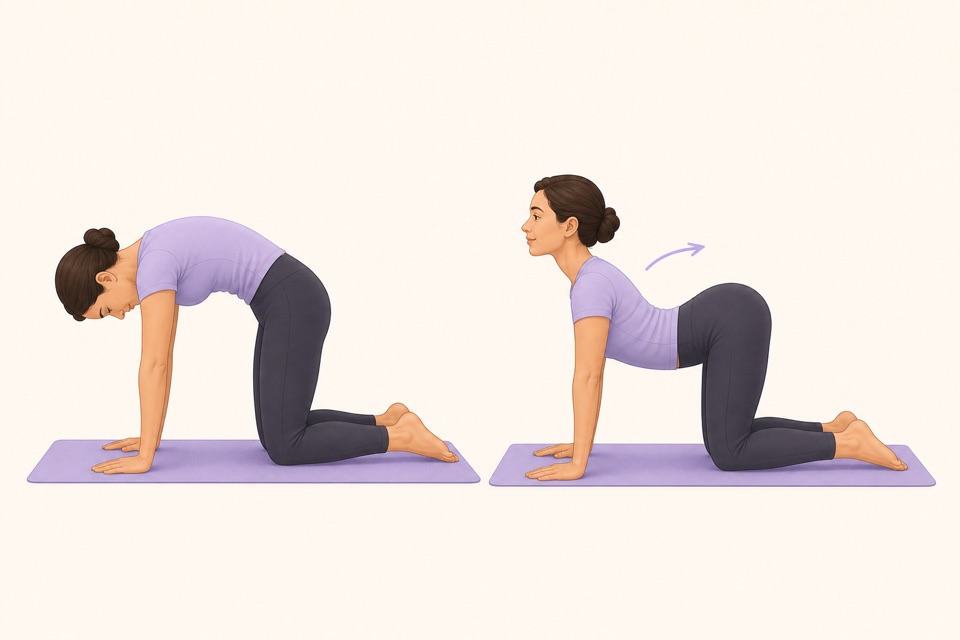
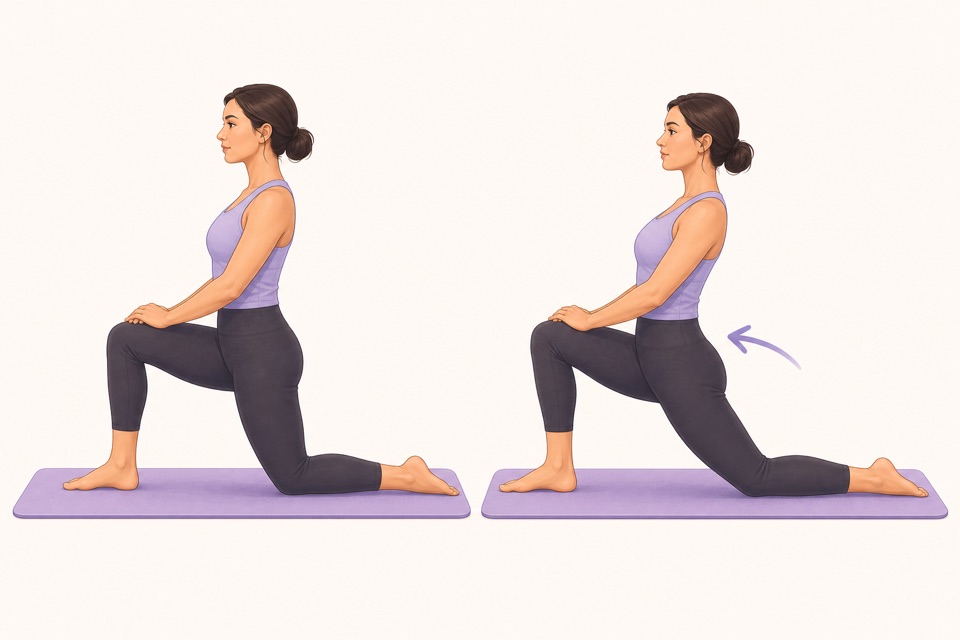
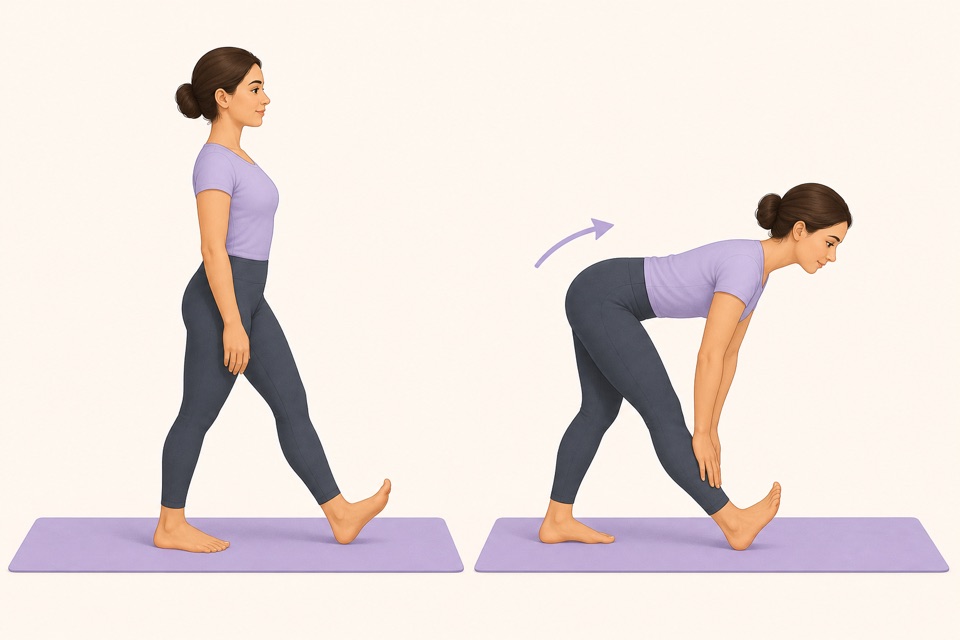
| Step | Time | Main area | Easier option | | --- | ---: | --- | --- | | Breathing and ankle circles | 45 sec | Ankles, whole-body reset | Sit on the bed | | Knee rocks | 60 sec | Hips and lower back | Make the arc smaller | | Cat-cow | 60 sec | Spine and shoulders | Use seated cat-cow | | Supported hip-flexor stretch | 2 min | Front of hips | Hold a chair | | Supported hamstring hinge | 2 min | Back of thighs | Bend the knee | | Wall calf stretch | 1 min | Calves and ankles | Stand closer to the wall | | Overhead reach and side bend | 1 min | Shoulders and sides | Reach one arm at a time |
From Wiggle
Recommended moves
Should you use dynamic or static stretching after waking?
Use both, in that order. Gentle dynamic movements help you shift out of stillness; short static holds let you calmly explore a comfortable range once you feel warmer. You do not need bouncing, extreme positions, or a long warm-up.
| How you feel | Begin with | Add next | Avoid | | --- | --- | --- | --- | | Very stiff | Circles and knee rocks | Short supported holds | Testing maximum range | | Comfortable | Cat-cow and easy reaches | 20–30 second holds | Holding your breath | | Rushed | One move for hips, back, and shoulders | Repeat tomorrow | Skipping because eight minutes is unavailable | | Sore or uncertain | Tiny pain-free motion or rest | Professional guidance if needed | Treating pain as progress |
Mayo Clinic advises moving smoothly without bouncing and expecting tension rather than pain. The American Heart Association similarly recommends slow, relaxed stretching. That makes a movement-first routine a sensible way to lower the morning's effort without pretending there is one perfect stretch for everyone.
How do you actually become more flexible?
Consistency matters more than intensity. Repeat the same short routine three to five mornings a week for two weeks before judging it. Notice whether a movement feels smoother or requires less bracing; do not chase a dramatic before-and-after measurement every day.
- Keep the routine short enough to repeat.
- Use the same sequence so setup requires no thought.
- Stay within mild, comfortable tension.
- Breathe normally through every hold.
- Progress one variable at a time: range, hold time, or frequency.
- Use the two-minute version on busy days instead of abandoning the habit.
If mornings are unreliable, the daily stretching app guide explains how timers and reminders reduce the planning burden. If you prefer a shorter fixed sequence, use the 5-minute morning stretch.
When should you be cautious with morning stretching?
This routine is for ordinary stiffness and general flexibility practice, not diagnosis or treatment. Stop if you feel sharp pain, dizziness, numbness, weakness, spreading symptoms, chest symptoms, or anything that feels wrong. Ask a qualified professional about new, severe, persistent, medical-condition-related, or injury-related symptoms.
How can Wiggle make flexibility practice easier?
Wiggle removes the decisions that usually kill a morning habit: which move comes next, how long to hold, and whether a short session counts. Choose a gentle full-body routine, follow the timer, and finish in eight minutes.
Your next step is specific: download Wiggle, schedule one eight-minute morning routine for tomorrow, and repeat the same sequence for two weeks before making it longer.
Sources
Why we keep it gentle
These guides are written for everyday stiffness and habit-building. They are grounded in mainstream guidance on flexibility, movement, and when to seek medical help.
- Stretching: Focus on flexibilityMayo Clinic
- Flexibility Exercise (Stretching)American Heart Association
- Physical Activity Guidelines for AmericansU.S. Department of Health and Human Services
FAQ
Questions people ask
Can morning stretches improve flexibility?
Morning stretches can support flexibility when you use comfortable ranges and repeat the routine consistently. One session may ease ordinary stiffness, but lasting changes usually come from regular practice rather than forcing a deep stretch on day one.
How long should I stretch in the morning for flexibility?
Start with 5 to 8 minutes. That is long enough to move the major areas without making the routine hard to repeat. Use 20 to 30 seconds per gentle hold and add time only when the sequence feels comfortable.
Should I stretch immediately after waking up?
You can begin with small movements immediately after waking, but save deeper holds until you feel warmer. Start with breathing, ankle circles, knee rocks, and shoulder rolls, then move into comfortable stretches.
Is dynamic or static stretching better in the morning?
A movement-first mix works well in the morning: begin with gentle dynamic motion, then use short, easy static holds. Dynamic movement helps you transition from sleep, while controlled holds let you spend time in a comfortable range.
When should I stop a morning stretch?
Stop if a stretch causes sharp pain, dizziness, numbness, weakness, spreading symptoms, or a feeling that something is wrong. New, severe, persistent, or injury-related symptoms deserve guidance from a qualified health professional.