Wiggle guide
Morning Hamstring Stretches: A Gentle 6-Minute Routine
Try these morning hamstring stretches for stiff legs: a gentle 6-minute routine with supported options, form cues, and clear stop signs.
morning hamstring stretches
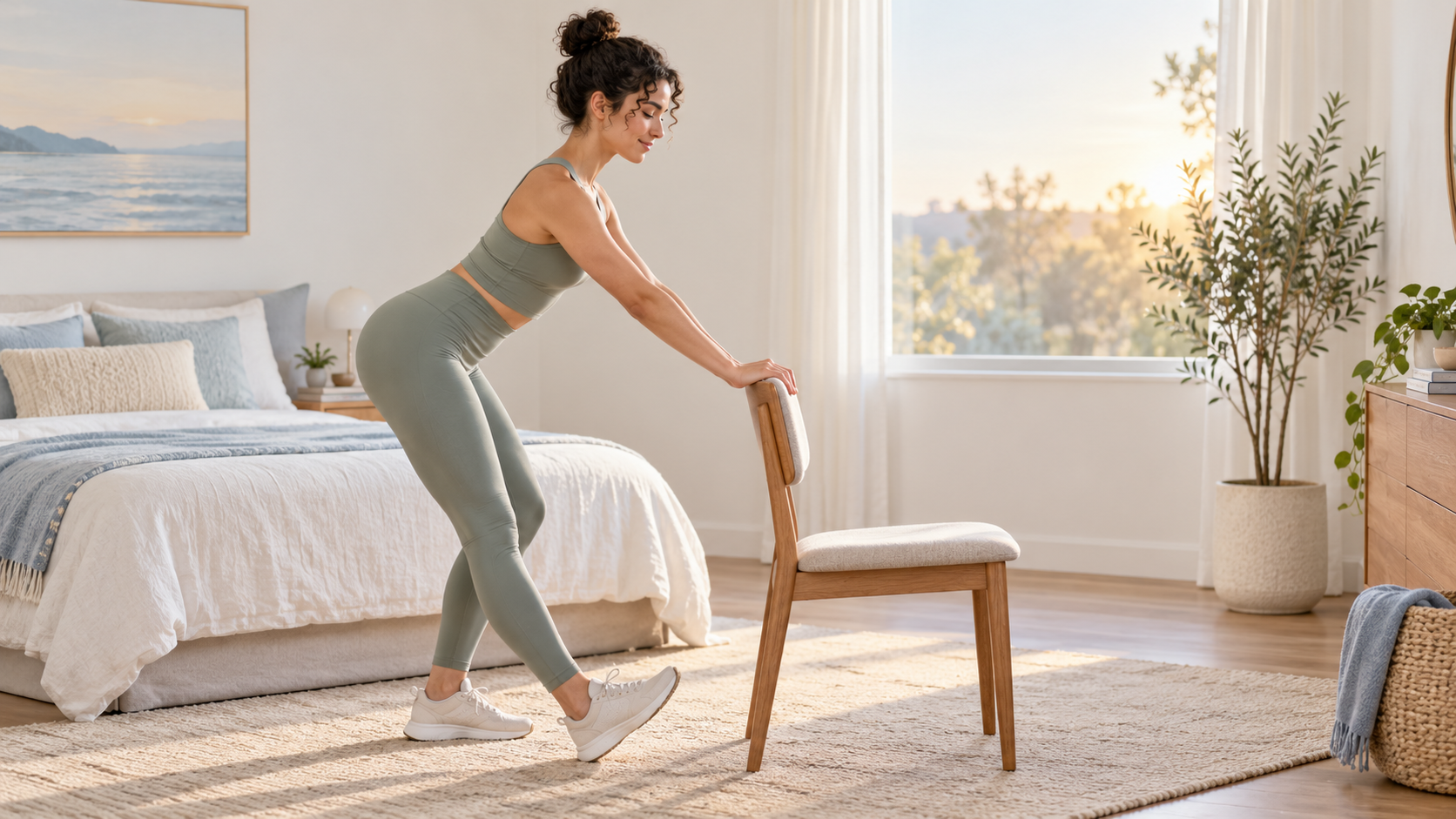
Your feet hit the floor, but the backs of your legs still feel asleep. Reaching for your toes only makes you round your back, and a deep stretch feels like too much, too soon. The quickest useful fix is not to pull harder. It is to warm up for two minutes, then use three supported positions that let your hips—not your lower back—do the work.
These morning hamstring stretches take six minutes. Fast rule: use a mild pull, keep the knee soft, and stop before your back rounds. You should finish feeling readier to walk, not as if you just passed a flexibility test.
What are the best morning hamstring stretches?
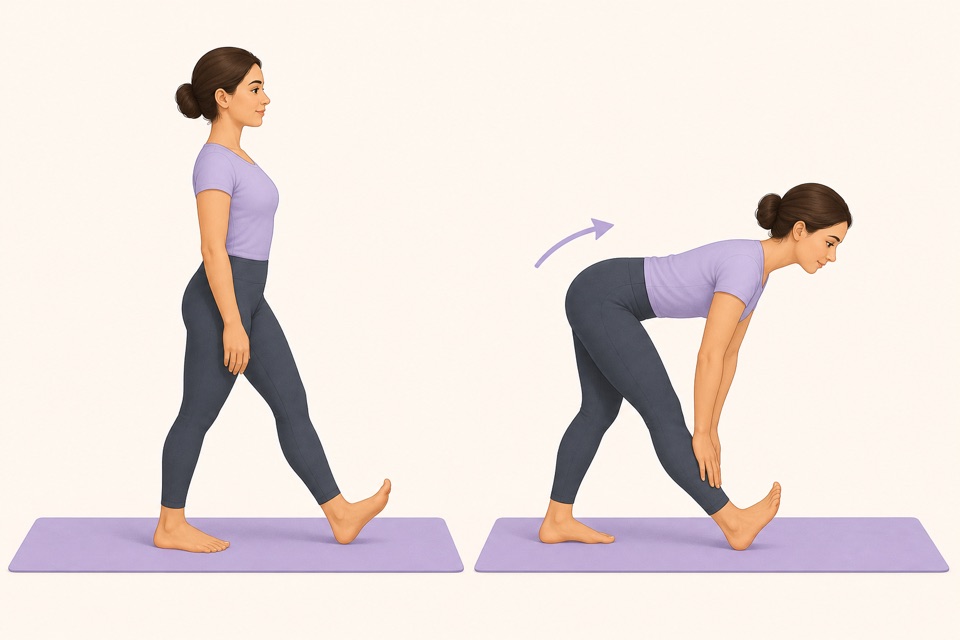
The best morning hamstring stretches progress from movement to mild holds: ankle pumps and hip hinges, easy marching, a supported standing hinge, a chair leg extension, and a towel-assisted lying stretch. This sequence raises effort gradually, limits balance demands, and gives you three ways to adjust the range.
A morning hamstring stretch is a gentle movement or position used after waking to create a comfortable pulling sensation along the back of the thigh. It should not cause sharp pain, tingling, numbness, or symptoms that shoot below the knee.
| Move | Time | Best cue | Easier option | | --- | ---: | --- | --- | | Ankle pumps + seated hinges | 60 sec | Move slowly before holding | Make the hinge tiny | | Easy march or walk | 60 sec | Let the arms swing | Alternate heel taps | | Supported standing hinge | 60 sec | Send hips back | Bend the front knee more | | Chair leg extension | 60 sec | Sit tall; do not lock | Keep the knee more bent | | Towel-assisted lying stretch | 60 sec | Bring the thigh closer, not the head | Keep the raised knee bent | | Relaxed walk | 60 sec | Notice your stride | Walk beside support |
From Wiggle
Recommended moves
How do I do this 6-minute routine?
Spend the first two minutes moving and the next three minutes in supported stretches, then walk for one minute. Hold each side for roughly 20 to 30 seconds. Keep the sensation around a 3 or 4 out of 10: noticeable, calm, and easy to breathe through.
- Wake up the ankles and hips: Sit near the front of a sturdy chair. Alternate pointing and flexing the feet, then make small hip hinges with a long spine.
- March or walk: Move easily for one minute. This is preparation, not cardio.
- Supported standing hinge: Hold a chair or wall. Put one heel a short step forward, soften both knees, and push the hips backward until the rear thigh feels a mild pull. Switch sides.
- Chair leg extension: Sit tall and extend one lower leg until you feel light tension. Keep the knee slightly bent and avoid slumping. Switch sides.
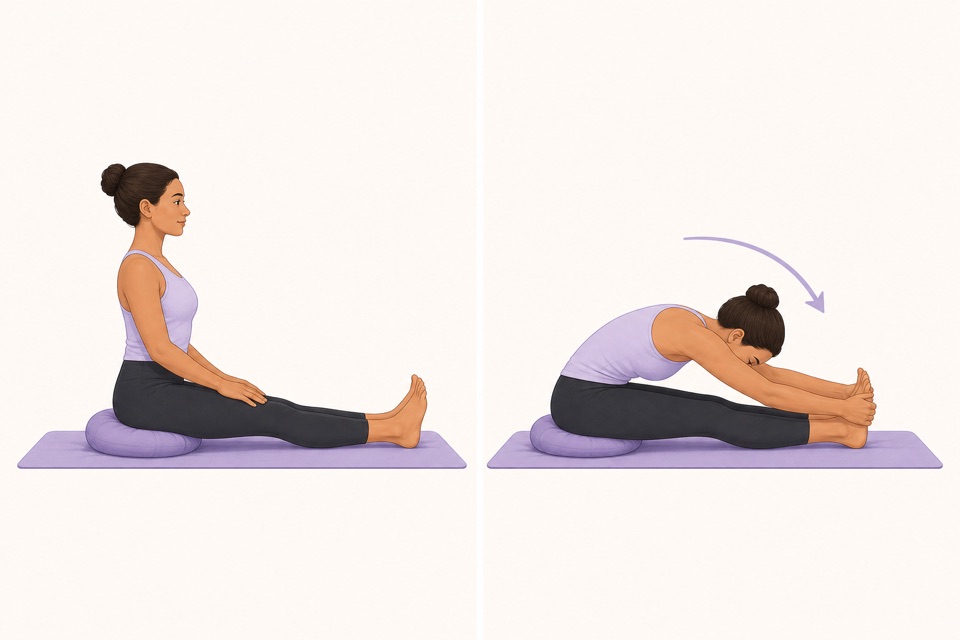
- Towel-assisted lying stretch: Lie on your back, loop a towel behind one thigh, and guide the thigh toward you. Slowly extend the knee only as far as comfortable. Switch sides.
- Walk again: Stand gradually and walk for one minute. Compare how your stride feels; do not retest by forcing a toe touch.
If your hips feel like the bigger limitation, use morning stretches for tight hips. For a full-body option, follow the 5-minute morning stretch.
Why do my hamstrings feel tight after sleeping?
Morning tightness can reflect several hours in one position and stiffness across the hips, back, knees, or calves—not only a short hamstring muscle. That is why the routine begins with joint movement and walking. Treat the feeling as information, not proof that you need a deeper stretch.
Use this decision guide:
| What you notice | What to do this morning | | --- | --- | | Both legs feel mildly stiff | Use the full six-minute routine | | One side is noticeably tighter | Use the same mild range on both sides; do not force the tighter side | | Your back rounds first | Bend the knee and reduce the hinge | | You feel unsteady | Stay seated or lying down and use firm support | | Symptoms travel below the knee | Stop the stretch and seek appropriate advice if symptoms persist | | You have sharp pain, weakness, or numbness | Stop and get medical guidance |
The morning lower-back stretches guide is a better starting point when your main sensation is in the back rather than the thigh.
Should I use static or dynamic hamstring stretches in the morning?
Use easy dynamic movement first, then short, comfortable static holds if they feel useful. Dynamic movement means moving through a controlled range; static stretching means settling into one position. Before a workout, finish with an activity-specific warm-up that gradually resembles the exercise you are about to do.
The American Heart Association recommends warming up before moderate or vigorous activity and raising intensity gradually. A quiet six-minute morning routine may prepare you for normal daily movement, but it does not replace a running, lifting, or sport warm-up later in the day.
What mistakes make hamstring stretches feel worse?
The most common mistake is turning the stretch into a toe-touch test. Rounding the spine, locking the knee, bouncing, holding your breath, or chasing pain adds effort without improving the quality of the position. Change the setup until you can breathe and feel a mild pull in the back of the thigh.
- Hinge from the hips instead of collapsing the chest.
- Keep the stretching-side knee softly bent.
- Use a chair so balance does not steal your attention.
- Do not push down on the knee.
- Stop comparing one morning's range with another.
- Repeat only when the second round feels equal or easier.
Mayo Clinic's general stretching guidance recommends smooth movement rather than bouncing and notes that tension—not pain—is the target. When your body asks for less range, that is useful feedback, not a failed session.
How do I make the routine easy to repeat?
Use the same six moves for one week and keep a two-minute fallback: seated hinges, walking, and one supported hold per side. Attach the routine to getting out of bed or starting the kettle. Removing the daily search for a “perfect” video makes consistency much easier.
Wiggle gives you the sequence, timer, and gentle prompt so you can start without planning. Choose a short morning routine, follow the next movement, and get on with the day before stiffness becomes the excuse.
When should I stop stretching?
Stop for sharp or worsening pain, tingling, numbness, weakness, dizziness, marked swelling, instability, or symptoms that travel down the leg. Seek prompt medical help for severe symptoms, symptoms after a significant injury, loss of bladder or bowel control, or new weakness. Persistent or recurring symptoms deserve individual assessment.
This article is general movement education, not a diagnosis or personalized treatment plan. Follow your healthcare professional's advice when it differs from a general routine.
Sources
Why we keep it gentle
These guides are written for everyday stiffness and habit-building. They are grounded in mainstream guidance on flexibility, movement, and when to seek medical help.
- Stretching: Focus on flexibilityMayo Clinic
- Warm Up, Cool DownAmerican Heart Association
- Physical Activity Guidelines for AmericansU.S. Department of Health and Human Services
FAQ
Questions people ask
What are the best morning hamstring stretches?
The best morning hamstring stretches begin with easy movement, then use a supported standing hinge, a chair-supported leg extension, and a gentle lying hamstring stretch. Keep both knees soft, move from the hips, and use a light pull rather than forcing range. Finish by walking for a minute before starting your day.
Why do my hamstrings feel tight in the morning?
Hamstrings can feel tight after several hours in one position, especially when the hips, back, and calves are also stiff. The sensation does not always mean the muscle is physically shortened. Start with gentle whole-body movement and judge the routine by whether walking feels easier afterward, not by how far you can reach.
Should I stretch my hamstrings as soon as I wake up?
Gentle stretching can be reasonable after waking if you feel steady, but begin with small movements instead of a deep forward fold. Sit up, move the ankles and hips, then stand with support. Stop for sharp pain, tingling, numbness, weakness, dizziness, or symptoms that travel down the leg.
How long should I hold a morning hamstring stretch?
For this routine, use comfortable holds of about 20 to 30 seconds and repeat only if the second hold feels better. Do not bounce or hold your breath. If you are about to run, lift, or play sport, follow the routine with a progressive activity-specific warm-up rather than relying on long static holds alone.
Can tight hamstrings cause lower back pain?
Hamstring tension and lower-back discomfort can appear together, but pain has many possible causes and a stretch cannot identify the cause. Use a mild range and stop if symptoms worsen or spread. Persistent, severe, injury-related, or neurological symptoms need assessment from a qualified healthcare professional.