Wiggle guide
Lower Back Stretches After Waking Up: A Gentle 7-Minute Reset
Morning lower back stretches for stiffness after waking up, with a gentle 7-minute routine, bed-to-standing options, and clear stop signs.
morning lower back stretches

The annoying part of waking up with a stiff lower back is how quickly it turns the first minute of the day into a negotiation. You do not want a hard workout. You do not want to guess whether the bed, yesterday's chair time, or your sleep position caused it. You just want a small reset that helps you stand up without forcing anything.
Use these morning lower back stretches when the issue is mild, familiar stiffness after waking up. The fast rule is simple: start supported, move through tiny ranges first, add hips before deeper back stretches, and stop before the routine feels like a flexibility test.
If your symptoms feel more like pain than stiffness, read morning stretches for back pain. If the tightness usually appears after work, use lower back stretches after sitting. If the same area bothers you at night, keep lower back stretches before bed as the evening version.
What are morning lower back stretches?
Morning lower back stretches are gentle wake-up movements for mild lower-back, hip, and glute stiffness after sleep. They should begin with support, use small ranges, and help you transition from lying still to walking, bending, sitting, and reaching.
Morning lower back stretches are not a diagnosis, treatment plan, or test of how flexible you are. Think of them as a low-effort bridge between sleep and normal movement.
Mayo Clinic's stretching guidance gives the right standard for this routine: avoid bouncing, avoid pain, and breathe normally. In the morning, that means you earn range gradually instead of forcing a deep stretch while your body is still waking up.
What 7-minute lower-back routine should I do after waking up?
Use a 7-minute routine that starts in a supported position, adds small lower-back motion, opens the hips gently, then finishes with walking. The routine should feel easier as it goes. If a movement makes you brace, shrink it or skip it.
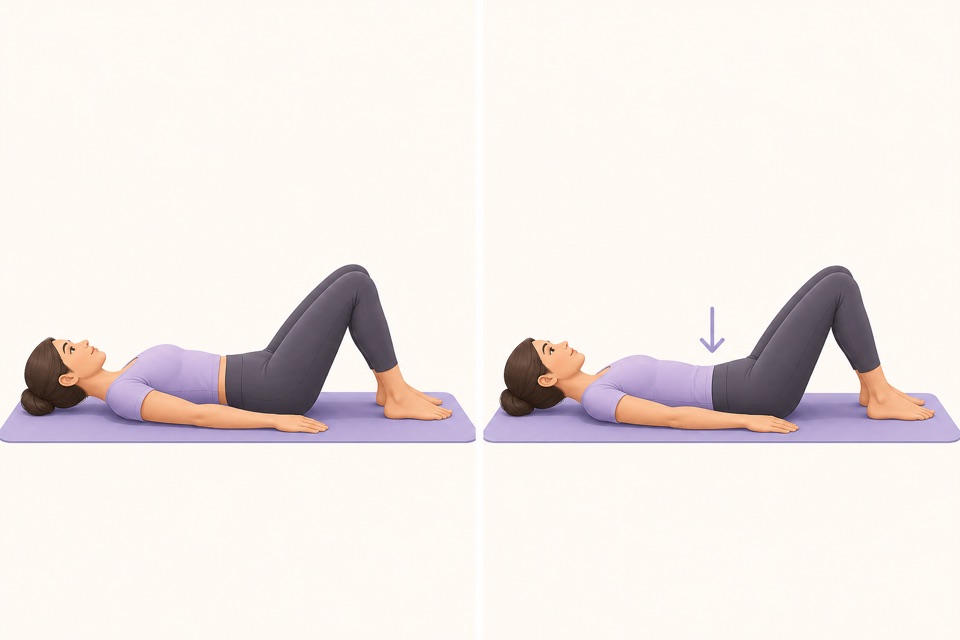
| Move | Time | Why it fits morning stiffness | Easier version | | --- | ---: | --- | --- | | Breathing with knees bent | 45 sec | Lets the back settle before movement | Put a pillow under the knees | | Pelvic tilts | 45 sec | Adds tiny controlled lower-back motion | Make the tilt barely visible | | Lower trunk rotations | 60 sec | Moves the lower back and hips together | Move knees only a few inches | | One-knee-to-chest | 60 sec | Gives the glutes and back a mild reset | Hold behind the thigh | | Seated cat-cow | 60 sec | Adds spine movement before standing | Do it on the edge of the bed | | Supported hip flexor stretch | 90 sec | Opens the front of the hips without yanking the back | Hold a wall or bed frame | | Easy walk | 60 sec | Turns stretching into normal movement | Walk slowly around the room |
If you only have three minutes, do breathing, pelvic tilts, lower trunk rotations, and a short walk. A tiny routine you repeat beats an ambitious routine you skip.
From Wiggle
Recommended moves
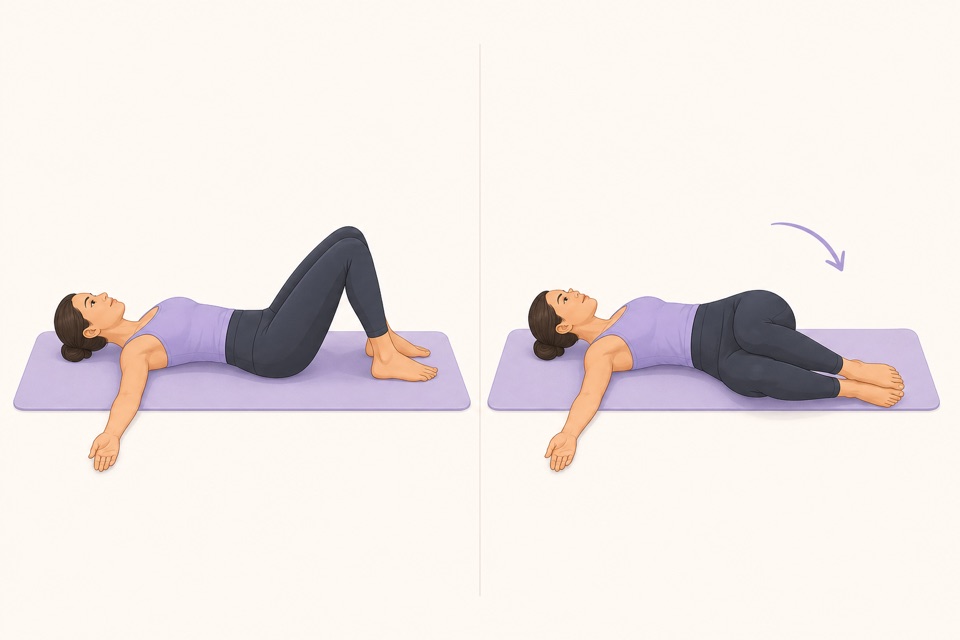
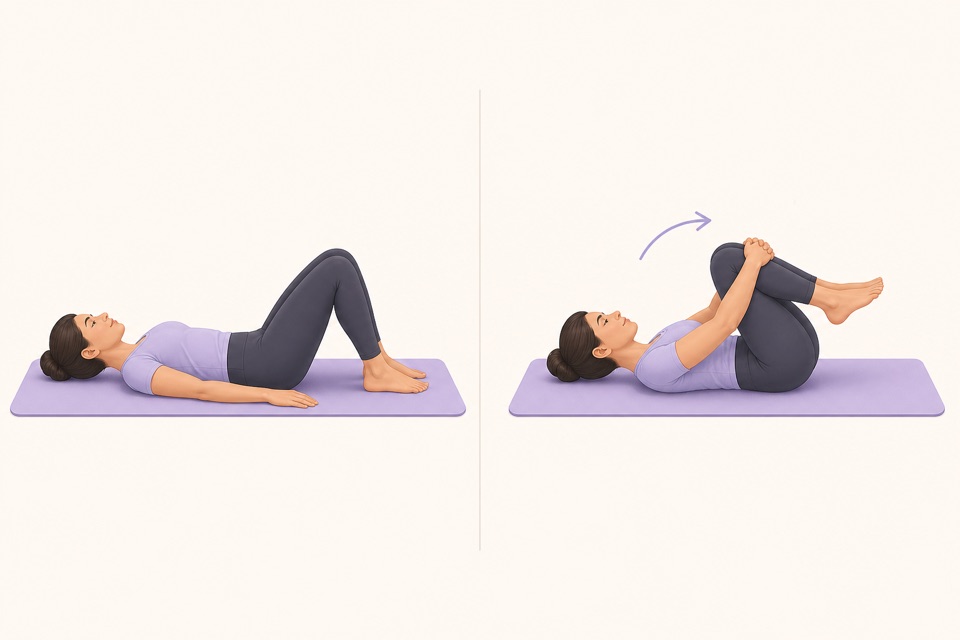
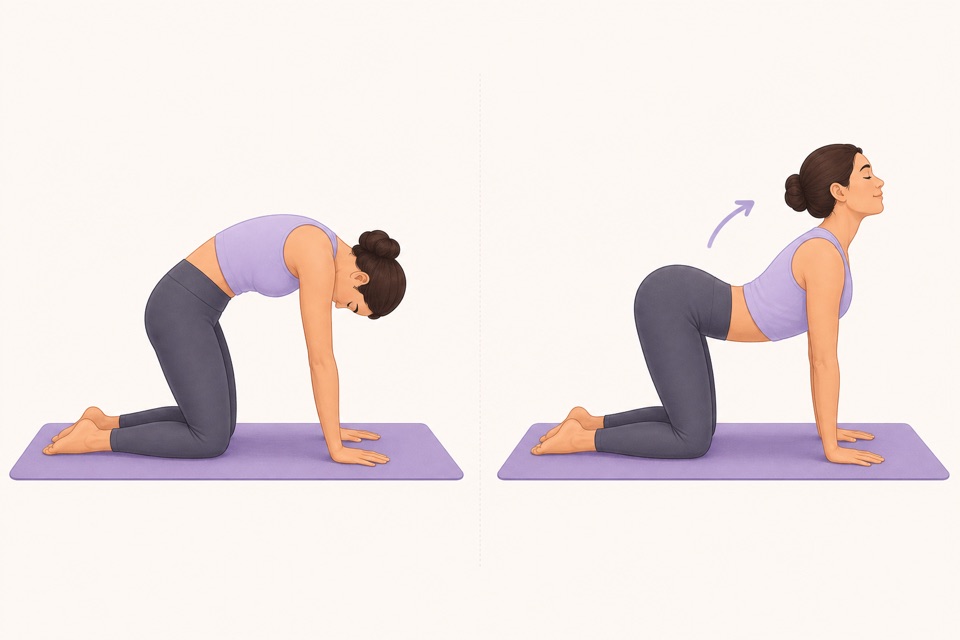
Should I stretch in bed, on the floor, or after standing up?
Start where the routine is easiest to begin safely. In bed is useful when getting up feels like too much. The floor gives firmer support. Standing is fine only after you feel steady and the first small movements feel comfortable.
| Morning situation | Start here | Avoid at first | | --- | --- | --- | | Very stiff before sitting up | In bed: breathing, ankle pumps, tiny trunk rocks | Jumping into a forward fold | | Stiff but steady | Floor or mat: pelvic tilts and trunk rotations | Deep twisting | | Hips feel short when you stand | Supported hip flexor stretch | Overarching the lower back | | Back feels better after walking | Add an easy one-minute walk | Long holds before movement | | Symptoms feel sharp or unusual | Stop and get qualified guidance | Treating pain as progress |
This is the real decision rule: choose the setup that reduces effort without increasing risk. If a soft mattress makes your back sink or twist, move to the floor. If the floor is the reason you will skip the routine, use bed or chair options.
For a broader wake-up sequence, use morning stretches for stiffness. If you want an even simpler first move, wake up stretches is the lower-friction version.
Why does my lower back feel stiff after waking up?
Lower-back stiffness after waking can happen when the back and hips have been still for hours. Sleep position, yesterday's sitting, training load, stress, age, and medical conditions can all affect how your back feels in the first few minutes of the day.
The useful move is not to solve the whole mystery before breakfast. For mild familiar stiffness, start below your limit and see whether small movement helps. MedlinePlus and NHS back-pain guidance both point people toward staying appropriately active while seeking help for concerning symptoms.
Use this morning check:
- If stiffness eases with tiny movement, continue the routine.
- If one stretch feels wrong, skip that stretch.
- If symptoms travel down the leg, feel severe, follow an injury, last, or worry you, stop and ask a qualified professional.
- If you feel numbness, weakness, dizziness, fever, chest symptoms, or loss of bladder or bowel control, do not use a stretching article as the answer.
How do you keep morning lower back stretches safe?
Keep morning lower back stretches gentle enough that you can breathe normally, talk normally, and stop without feeling disappointed. The first session of the day should be boring in the best way: clear, repeatable, and easy to finish.
Use this checklist:
- Start with support before standing.
- Keep every stretch at mild tension, not pain.
- Move slower than your ego wants.
- Avoid bouncing, breath-holding, and end-range twisting.
- Add hips and walking instead of chasing one intense lower-back stretch.
- Use the same movement order for one week before changing it.
- Let the 3-minute version count on rushed mornings.
- Stop for sharp, spreading, severe, new, persistent, injury-related, or worrying symptoms.
The common failure mode is searching for a more dramatic stretch when the boring one would have worked if you repeated it. Your lower back does not need a morning ceremony. It needs a small ramp from stillness to movement.
How can Wiggle make the routine easier to repeat?
Wiggle removes the hidden work from morning lower back stretches: choosing moves, timing holds, switching sides, remembering what comes next, and deciding whether a short session counts. Save one back-friendly morning reset and run the same routine for seven mornings before changing anything.
The specific next step is simple: open Wiggle tomorrow morning, start a 7-minute lower-back reset before checking messages, and stop while it still feels easy. If you want a smaller fallback, pair it with the five-minute stretching routine.
Sources
Why we keep it gentle
These guides are written for everyday stiffness and habit-building. They are grounded in mainstream guidance on flexibility, movement, and when to seek medical help.
- Stretching: Focus on flexibilityMayo Clinic
- Back painMedlinePlus
- Low back painNHS
- About SleepCDC
FAQ
Questions people ask
What are the best lower back stretches after waking up?
The best lower back stretches after waking up are small, supported movements: breathing with knees bent, pelvic tilts, lower trunk rotations, one-knee-to-chest, seated cat-cow, a supported hip flexor stretch, and an easy walk. Keep the first round mild and stop if symptoms worsen.
Should I stretch my lower back before getting out of bed?
If you wake up very stiff, start with tiny in-bed movements before standing: slow breathing, ankle pumps, and small trunk rocks. Move to the floor or standing only when you feel steady and the movement feels comfortable.
How long should morning lower back stretches take?
Five to seven minutes is enough for a useful morning lower-back reset. If you are rushed, do the first three minutes only: breathing, pelvic tilts, lower trunk rotations, then walk around the room.
Why does my lower back feel stiff after waking up?
Lower-back stiffness after waking can come from stillness during sleep, sleep position, yesterday's sitting or training, stress, or a medical issue. Use gentle movement for mild familiar stiffness only, and get qualified guidance for new, severe, persistent, spreading, or worrying symptoms.
Can Wiggle help with morning lower back stretches?
Wiggle helps by turning morning lower back stretches into a saved timed routine, so you do not have to choose moves, count seconds, or guess what comes next while you are still stiff.