Wiggle guide
Hip Mobility for Runners: A Gentle 7-Minute Warm-Up and Reset
Use this gentle hip mobility routine for runners before or after a run, with dynamic warm-up choices, cooldown options, and clear stop signs.
hip mobility for runners

Your run is about to start, or it has just ended, and your hips feel as if they need attention. The wrong move is often the dramatic one: forcing a deep stretch because it feels productive. A better first move is a short routine that matches the moment—dynamic movement before running, calmer mobility after it.
Use this fast rule: before a run, move; after a run, walk first and then stretch gently. The seven-minute sequence below gives you a clear starting point without making hip mobility a second training session. For the complete lower-body cooldown, pair it with this runner stretching routine.
What is hip mobility for runners?
Hip mobility for runners is the comfortable, controlled motion your hips use while you walk, stride, climb, and stabilize on one leg. Useful runner mobility includes hip extension, rotation, and side-to-side control—not just pulling on one tight-feeling muscle.
Hip mobility is usable range you can control during everyday movement and running. It is not a diagnosis, a promise of faster running, or a reason to force one side into the same position as the other.
If you are not sure which direction feels limited, start with the hip mobility test. Treat it as a movement check, then choose a smaller routine rather than stacking every hip stretch into one session.
Should runners do hip mobility before or after running?
Runners generally do best with dynamic movement before a run and gentler static stretching after the run or on a recovery day. Before you run, build heat and explore range. Afterward, walk briefly, then use mild holds only if they feel helpful.
| Running moment | Best hip choice | Avoid | | --- | --- | --- | | Before an easy run | Walk, march, small leg swings, easy bodyweight squats | Long intense holds on cold muscles | | Before hills or speed work | Slightly longer walk, controlled leg swings, small lateral shifts | Trying to gain range quickly | | Immediately after a run | Walk for 1–2 minutes, then gentle hip flexor and glute work | Dropping into the deepest lunge | | Recovery day | Slow rotations, bridges, broader mobility | Treating soreness as a flexibility test |
Mayo Clinic advises warming up before stretching, moving smoothly without bouncing, and avoiding pain. Those basics matter more than finding a perfect runner-specific pose.
What is the best 7-minute hip mobility routine for runners?
The best short runner hip routine starts with easy movement, then adds comfortable rotation, gentle hip extension, and a little control. Keep the range mild enough that you can breathe normally and finish feeling ready to move—not stretched out or tired.
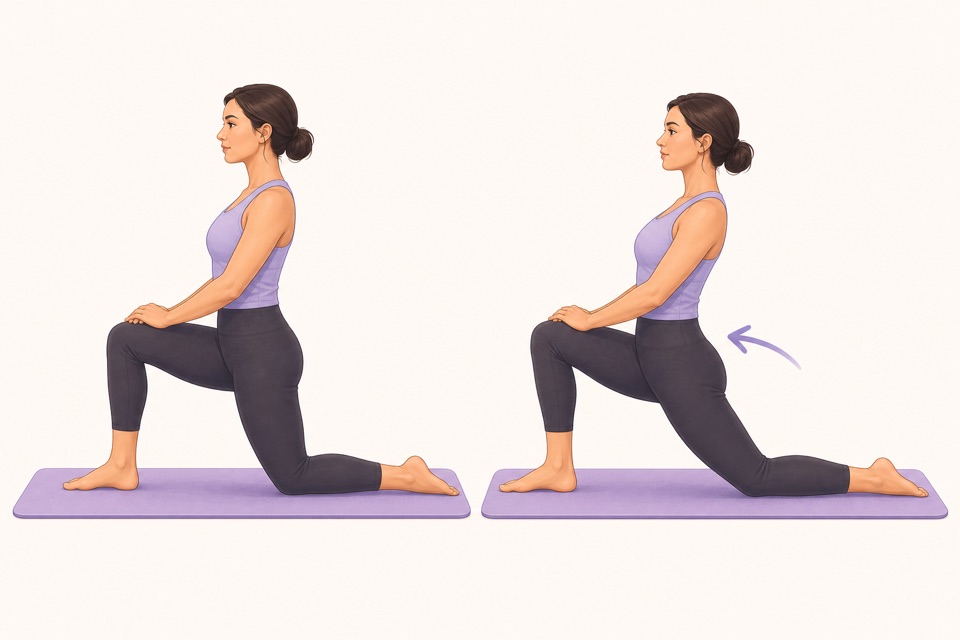
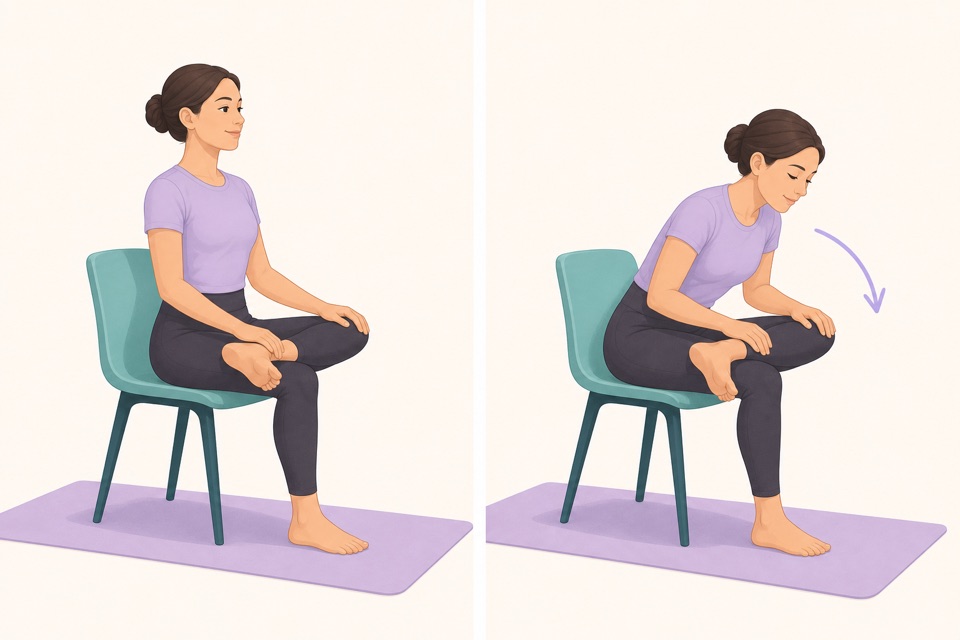
| Movement | Time | Why it is here | | --- | ---: | --- | | Easy walk or march | 60 sec | Gradually leaves the sitting or running position | | Supported leg swings | 60 sec | Explores forward-back motion without forcing it | | Supported hip flexor option | 60 sec | Adds gentle hip extension after a run | | Seated hip rotations | 90 sec | Explores internal and external rotation | | Glute bridges | 90 sec | Builds controlled hip extension in a small range | | Easy walk and reassess | 60 sec | Checks whether normal steps feel easier |
From Wiggle
Recommended moves
How do you perform hip mobility exercises for runners?
Make every repetition smaller than your maximum range. Use a wall, rail, or chair for balance, keep your breathing normal, and stop before your lower back or pelvis starts compensating for the hip.
- Walk or march: Spend one minute letting your stride length grow naturally.
- Supported leg swings: Hold a stable support. Swing one leg forward and back through a small smooth range; do not kick for height.
- Hip flexor choice: After a run, use a short split stance or kneel on padding, gently tuck the pelvis, and shift only to mild tension. Before a run, replace the hold with relaxed marching.
- Seated hip rotations: Sit tall on a chair and let one knee move gently inward and outward without twisting your trunk or pushing the knee by hand. The hip internal rotation stretches guide has a narrower option when that direction feels limited.
- Glute bridges: Lie down with knees bent and feet grounded. Lift only as high as you can without over-arching the back, pause, and lower slowly.
- Reassess: Walk for one minute. Judge the routine by easier everyday movement, not by stretch depth.
Why do runners get tight hips?
Runners can feel hip tightness because running repeats a similar pattern while daily sitting keeps the hips bent for long periods. Changes in mileage, hills, speed work, strength, old injury, and normal variation can all influence the sensation. A tight feeling alone does not prove that one muscle is short or that stretching harder is the answer.
Use the pattern to choose your next step:
- Mostly after desk-heavy days: add a small mobility break earlier with hip stretches while sitting at a desk.
- Mostly after hills or longer runs: shorten the first cooldown and review whether training load rose too quickly.
- Mostly at the front of the hip: use the supported hip-flexor option without arching your back.
- Mostly when turning or crossing a leg: explore the hip mobility stretches guide before pushing a deeper position.
- Persistent, one-sided, or worsening: pause the self-experiment and seek qualified guidance.
Do runners need strength as well as mobility?
Yes. Mobility helps you access a range; strength helps you control it while landing, stepping, climbing, and changing direction. A short mobility habit can sit beside suitable work for the glutes, trunk, and legs, but it does not replace normal training or solve every running discomfort.
Federal activity guidance recommends aerobic and muscle-strengthening activity for adults. Keep the plan practical: use this routine after two or three runs per week or before an easy run when your hips feel stiff, then choose a dose you can recover from and repeat.
When should runners stop hip mobility work?
Stop if a movement causes sharp or worsening pain, numbness, tingling, weakness, catching, locking, giving way, or symptoms that travel down the leg. Seek qualified care after a fall, with major swelling or loss of motion, persistent pain, or discomfort that changes your walking or running.
If you have had hip surgery, have a diagnosed joint condition, or are returning after an injury, follow your clinician's or physiotherapist's plan instead of a general online routine.
How can Wiggle make runner hip mobility easier to repeat?
Wiggle gives you the timer, side changes, and clear finish that a tired runner is unlikely to set up from scratch. Save a short before-run movement routine and a calmer post-run reset, so you can choose the right one without scrolling for ideas beside the door.
Start with the seven-minute sequence, keep the effort gentle, then download Wiggle to build a runner hip routine you can reuse after the next run.
Sources
Why we keep it gentle
These guides are written for everyday stiffness and habit-building. They are grounded in mainstream guidance on flexibility, movement, and when to seek medical help.
- Stretching: Focus on flexibilityMayo Clinic
- Physical Activity Guidelines for AmericansU.S. Department of Health and Human Services
- Running injuriesMedlinePlus
FAQ
Questions people ask
What hip mobility exercises are best for runners?
Useful hip mobility exercises for runners are controlled movements that prepare or reset the hips without turning into a hard workout: easy walking, supported leg swings, a gentle hip flexor stretch, seated hip rotations, and glute bridges. Keep the range comfortable and choose dynamic movement before a run.
Should runners do hip mobility before or after running?
Before running, use a brief dynamic warm-up such as walking, marching, and small leg swings. After running, walk first, then use gentle holds and controlled mobility if they feel good. Save longer relaxed stretching for the cooldown or a separate recovery session.
How long should a runner hip mobility routine take?
A five- to seven-minute routine is enough for most runners. It gives you time to warm up, move through rotation and hip extension, and finish with control without adding a difficult second workout to your run.
Why do runners get tight hips?
Running repeats a similar motion, while desk time can keep the hips bent for long periods. Training changes, hills, speed work, strength, past injury, and normal day-to-day variation can all affect how the hips feel. Tightness alone does not identify a single cause.
When should a runner stop hip mobility exercises?
Stop for sharp or worsening pain, numbness, tingling, weakness, catching, locking, giving way, or symptoms that travel down the leg. Seek qualified guidance after a fall, with swelling or major loss of motion, or when pain persists or changes your walking or running.