Wiggle guide
Hip Mobility Exercises for Seniors: A Chair-First Routine
Try five gentle hip mobility exercises for seniors with seated and supported standing options, a 7-minute routine, and clear stop signs.
hip mobility exercises for seniors

Stiff hips can make ordinary tasks—standing from a chair, stepping into the shower, or starting a walk—feel less predictable than they should. The answer is not a heroic stretch. It is a short sequence that lets you move while a chair handles the balance problem.
Use this fast rule: start seated, stand only with stable support, and keep every movement smaller than your maximum range. The routine below takes about seven minutes. If getting moving in the morning is the bigger problem, use the chair-first morning routine.
What are hip mobility exercises for seniors?
Hip mobility exercises for seniors are controlled movements that explore comfortable hip motion while reducing unnecessary balance demands. They can include seated marching, gentle rotation, supported circles, short step-backs, and walking. The goal is usable movement for daily life—not achieving a deep pose.
Senior hip mobility is the comfortable, controlled motion used when standing, walking, turning, dressing, and stepping over small obstacles. Mobility includes both range and control. It is not a diagnosis, a pain treatment, or a substitute for an individual plan after surgery or injury.
What are the best hip mobility exercises for seniors?
The best options are easy to scale and easy to support. Begin with seated marching and knee openings, then use a chair for standing circles and short step-backs. Finish by walking so you can judge whether the routine made normal movement feel the same or easier.
| Exercise | Main job | Easiest version | | --- | --- | --- | | Seated hip march | Hip flexion for steps and dressing | Lift one heel instead of the whole foot | | Seated knee opening | Gentle outward rotation | Move only a few inches | | Supported hip circle | Multi-direction hip motion | Draw a very small circle | | Supported step-back | Hip extension and stepping control | Tap the toes back without bending | | Easy walk | Returns mobility to a daily task | Walk beside a counter or caregiver |
From Wiggle
Recommended moves
What is the best 7-minute hip mobility routine for older adults?
A practical seven-minute routine spends most of its time seated or supported, moves the hips in more than one direction, and ends with easy walking. Keep effort light enough that you could repeat the routine tomorrow without dreading it.
- Seated march — 60 seconds: Sit in a sturdy chair without wheels. Alternate lifting each foot a comfortable distance while staying tall.
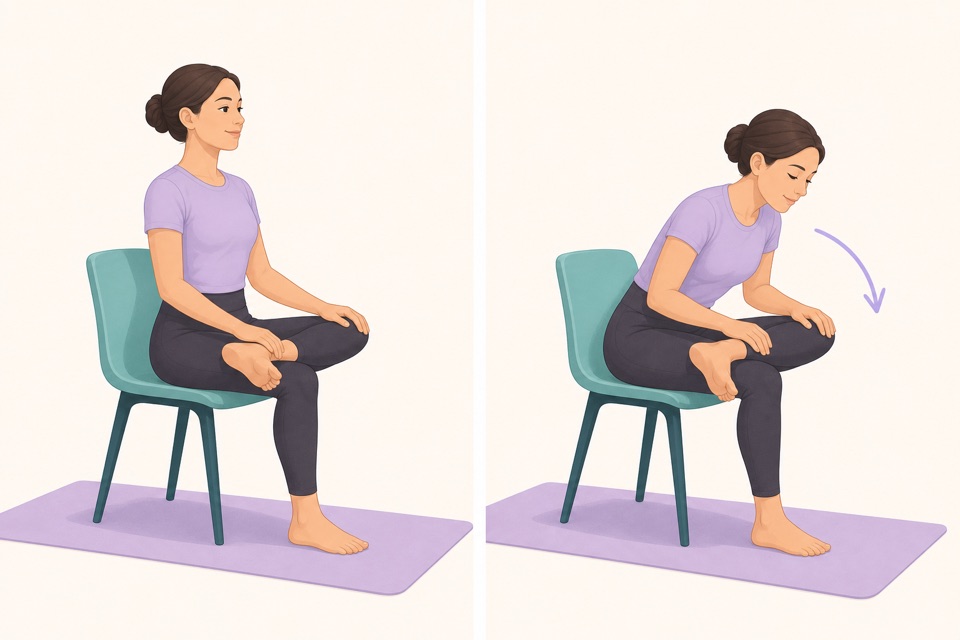
- Seated knee openings — 90 seconds: Keep one foot planted, let that knee move gently outward, then return. Use 45 seconds per side without twisting the foot.
- Supported hip circles — 90 seconds: Stand behind the chair, shift weight to one leg, and draw small slow circles with the opposite knee. Switch after 45 seconds.
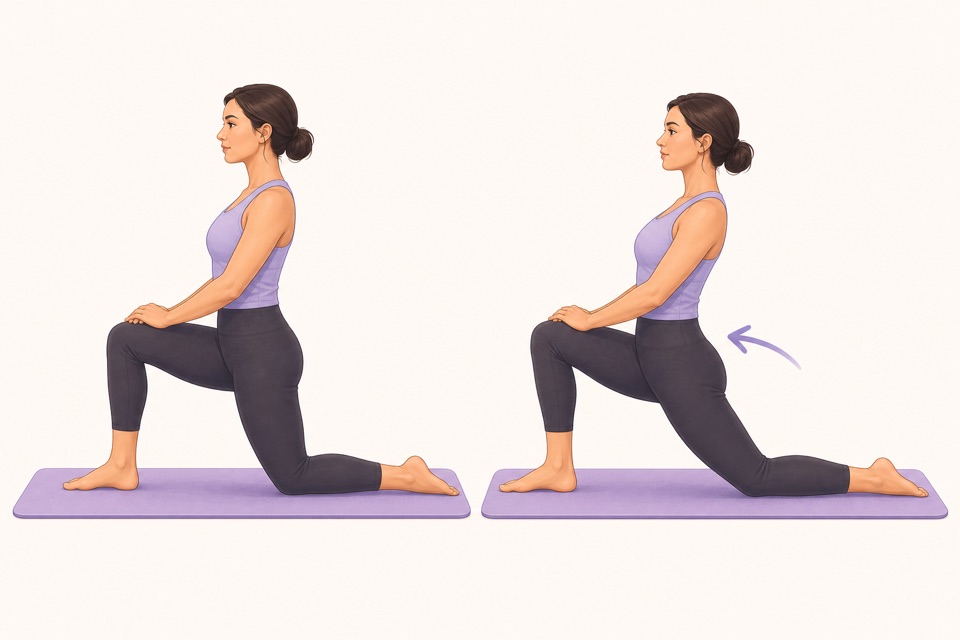
- Short supported step-backs — 90 seconds: Hold the chair, tap one foot back, and return. Add a shallow bend only if balance and knees feel comfortable.
- Easy walk — 90 seconds: Walk near a counter or along a clear hallway. Let the stride stay natural.
If floor work is comfortable and already familiar, the beginner hip mobility routine adds more positions. You do not need floor exercises for this routine to count.
Should seniors do hip mobility seated or standing?
Choose seated exercises when balance, fatigue, dizziness, or confidence is the limiting factor. Choose supported standing exercises when the goal is to prepare for walking and daily steps. Most older adults can combine both: seated first, then standing beside a stable support.
| How you feel today | Best starting point | Adjustment | | --- | --- | --- | | Stiff but steady | Seated march, then supported standing | Use the full routine | | Balance feels uncertain | Stay seated | Add heel slides instead of step-backs | | Low energy | Two seated movements plus a short walk | Stop at four minutes | | Comfortable and active | Seated warm-up plus standing routine | Increase control, not depth | | New or worrying symptoms | Do not test them with stretching | Seek qualified guidance |
The chair is not a downgrade. It removes a competing balance task so you can pay attention to the hip. For a fully chair-based option, use chair stretches for seniors.
How often should older adults practice hip mobility?
Start with five to eight minutes on several days each week, provided the movements feel comfortable and fit any advice from your clinician. Regular practice matters more than pushing range. Hip mobility also works best alongside appropriate walking, strengthening, and balance activity.
The National Institute on Aging and CDC describe flexibility and balance as parts of a broader activity plan for older adults. A mobility routine can help you begin moving, but it does not replace strength, aerobic activity, or personalized rehabilitation.
Try this low-effort weekly plan:
- repeat the same five movements so there is nothing new to learn;
- attach the routine to breakfast or a daily walk;
- use the seated-only version on low-energy days;
- increase time before increasing range;
- track whether standing, walking, and dressing feel more comfortable afterward.
When should seniors stop hip mobility exercises?
Stop for sharp or worsening pain, dizziness, chest symptoms, numbness, tingling, new weakness, catching, locking, giving way, or pain that changes your walk. Seek qualified care after a recent fall, surgery, or injury, or if symptoms are severe, persistent, or getting worse.
If you use a walker or cane, do not substitute a lightweight chair for your usual support without professional guidance. If you have a joint replacement, osteoporosis concerns, a neurological condition, or specific movement precautions, follow your clinician's instructions instead of a general online routine.
How can Wiggle make senior hip mobility easier to repeat?
Wiggle provides a visible timer, clear side changes, and a definite finish. Save a seven-minute chair-first routine once, then follow the same order instead of searching for a new video whenever your hips feel stiff.
Use the routine above for one week. If the movements remain comfortable, download Wiggle and keep the sequence ready beside the chair you already use.
Sources
Why we keep it gentle
These guides are written for everyday stiffness and habit-building. They are grounded in mainstream guidance on flexibility, movement, and when to seek medical help.
- Four Types of Exercise Can Improve Your Health and Physical AbilityNational Institute on Aging
- What Counts as Physical Activity for Older AdultsCDC
- Exercise and Physical Activity for Older AdultsMedlinePlus
- Stretching: Focus on FlexibilityMayo Clinic
FAQ
Questions people ask
What are the best hip mobility exercises for seniors?
The best hip mobility exercises for seniors are controlled and easy to support: seated hip marches, seated knee openings, supported standing hip circles, short step-backs, and easy walking. Use a sturdy chair or counter, keep the range comfortable, and choose consistency over deep stretching.
How long should a senior hip mobility routine take?
Five to eight minutes is enough for a useful senior hip mobility routine. Start seated, add one or two supported standing movements, and finish with easy walking. A shorter routine repeated regularly is usually more practical than an occasional intense session.
Can seniors do hip mobility exercises while seated?
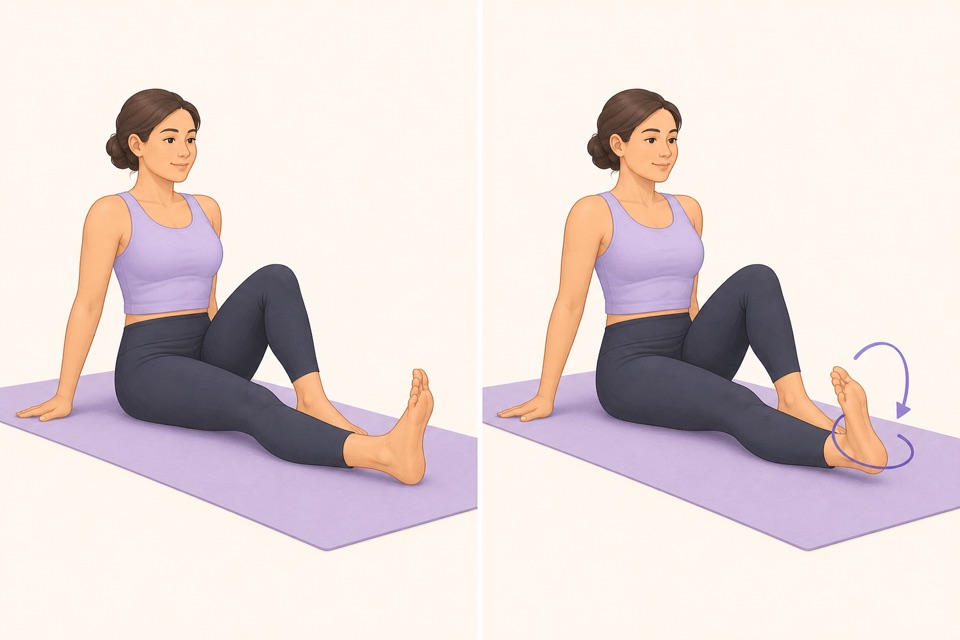
Yes. Seated marching, gentle knee openings, heel slides, and small hip rotations reduce balance demands while moving the hips in several directions. Use a stable chair without wheels and sit tall enough to move without leaning or holding your breath.
How often should older adults work on hip mobility?
A gentle five- to eight-minute routine on several days each week is a reasonable starting point, provided it feels comfortable and fits any clinical advice you have received. Hip mobility should complement appropriate walking, strength, and balance activity rather than replace them.
When should a senior stop hip mobility exercises?
Stop for sharp or worsening pain, dizziness, chest symptoms, numbness, tingling, new weakness, catching, locking, giving way, or pain that changes walking. Seek qualified guidance after a recent fall, surgery, or injury, or when symptoms are new, severe, or persistent.