Wiggle guide
Adductor Stretches: A Gentle Inner-Thigh Routine for Tight Hips
Adductor stretches for tight inner thighs, stiff hips, and sitting-heavy days, with beginner options, stop signs, and a simple 6-minute routine.
adductor stretches
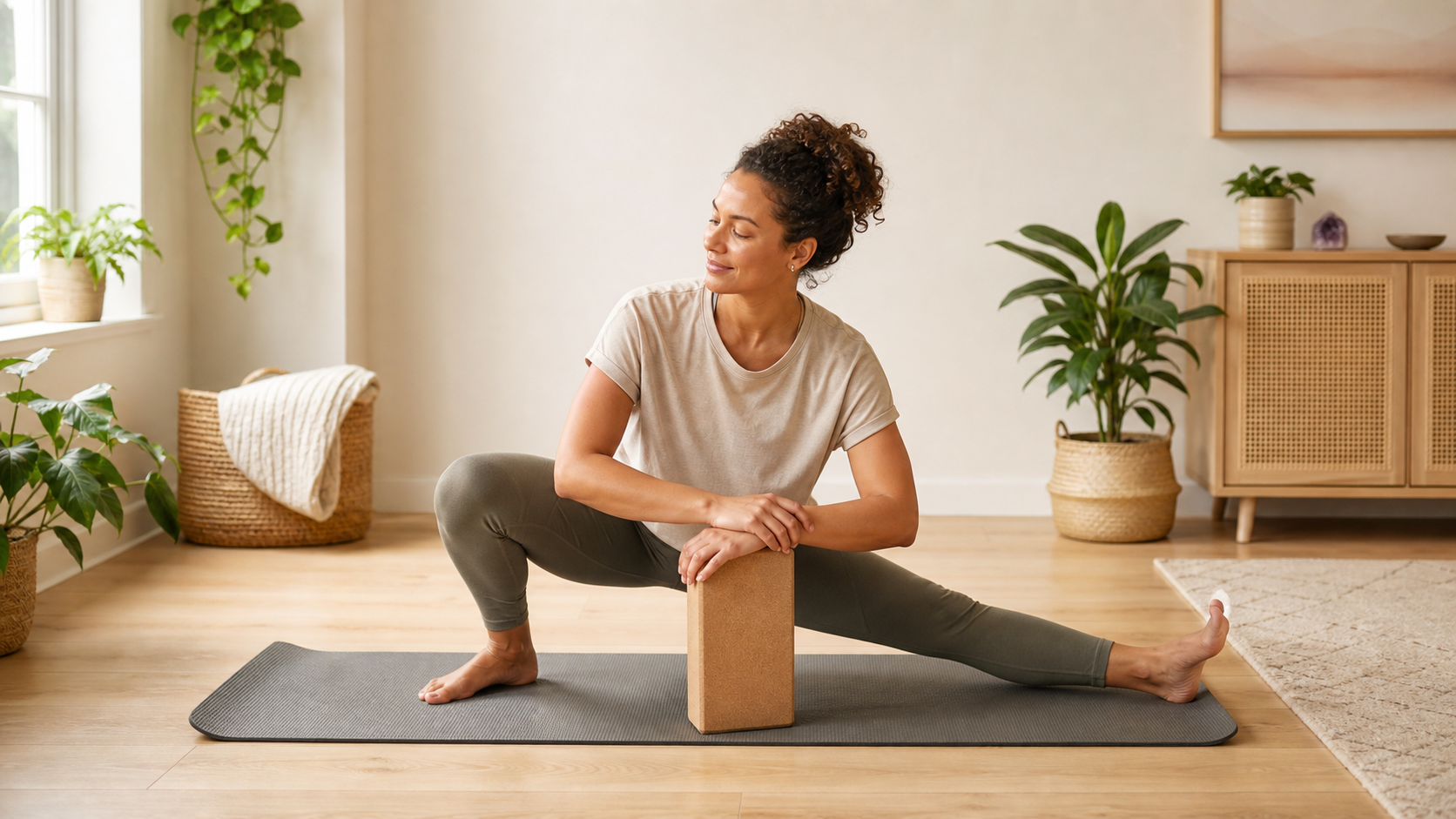
Inner-thigh tightness has a way of making hip routines feel incomplete. You stretch the hip flexors, try a figure-four, stand up, and still feel blocked when you step sideways, squat, or sit cross-legged.
Use this guide when you want the simple version: adductor stretches that fit into a tight-hips routine without turning the groin into a flexibility contest. The fastest useful rule is this: stay supported, use mild tension, and stop before the stretch feels sharp or pinchy.
What are adductor stretches?
Adductor stretches are movements that create gentle tension through the inner-thigh muscles, which help pull the legs toward the body's center line. Common options include supported side-lunge shifts, butterfly stretches, and wide-stance holds. If you want to try a wider floor position, use the frog stretch with knee padding and a deliberately small range.
Adductors are the inner-thigh muscle group that helps bring the thigh inward and supports hip control during walking, side steps, squats, and many daily positions. For everyday stiffness, the goal is comfortable hip motion, not forcing a deep groin stretch.
If you have been sitting for hours, adductors are only one part of the picture. A complete hip reset usually includes inner thighs, hip flexors, glutes, hamstrings, and easy walking.
What is the fastest adductor stretch routine?
The fastest useful adductor routine is about 6 minutes: warm up, do supported side-lunge shifts, add a gentle butterfly or seated option, then finish with walking. Keep every hold mild enough that you would repeat it tomorrow.
Use this sequence:
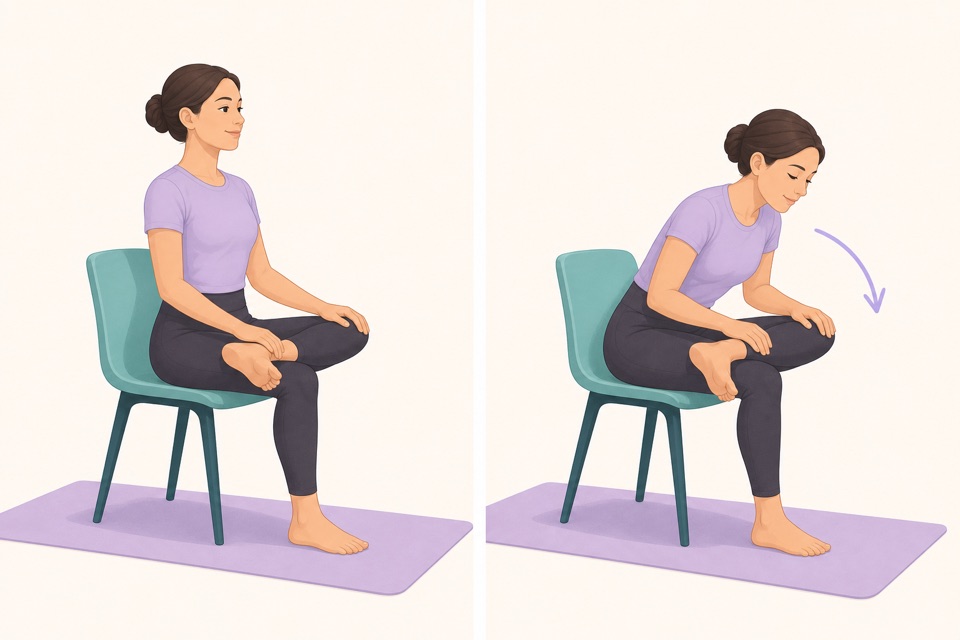
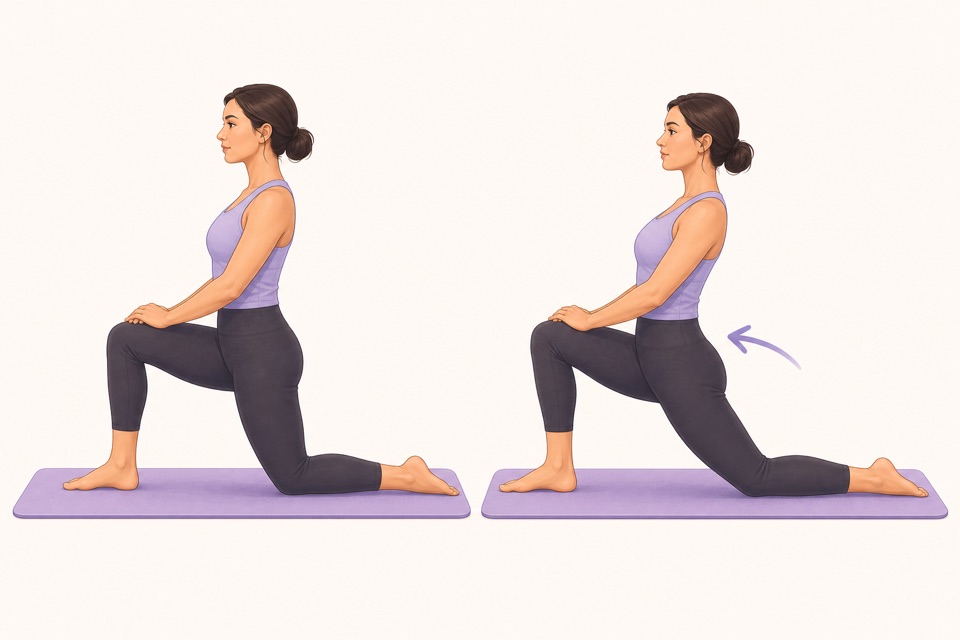
| Move | Time | Best for | Make it easier | | --- | ---: | --- | --- | | Easy walk or march | 60 sec | Warming up before inner-thigh work | Hold a wall | | Supported side-lunge shift | 45 sec each side | Main adductor stretch | Keep the stance narrower | | Seated butterfly hold | 45 sec | Inner-thigh tension without standing | Sit on a cushion | | Seated figure-four | 45 sec each side | Pairing inner thigh with outer hip | Keep the foot lower | | Standing hip flexor stretch | 45 sec each side | Balancing sitting stiffness | Use a smaller step | | Easy walk | 60 sec | Finishing without bracing | Keep it slow |
If you only have two minutes, do the walk, one supported side-lunge shift on each side, and another short walk. That is enough to notice whether the inner thighs are the missing piece.
For a broader hip screen first, use the hip mobility test. If your stiffness is mainly outer hip or glute tension, the glute stretches routine may be a better first choice.
From Wiggle
Recommended moves
How do you do a supported side-lunge adductor stretch?
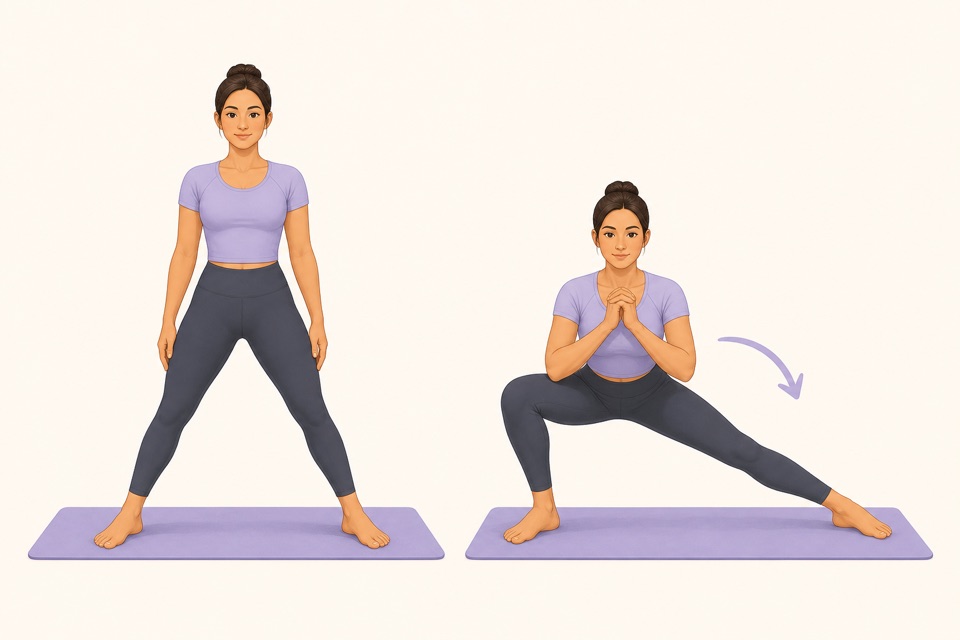
Stand with feet wider than hip width, hold a stable support, bend one knee slightly, and shift your hips toward that side until the opposite inner thigh feels mild tension. Hold calmly, return to center, then switch sides.
Steps:
- Stand near a desk, wall, or sturdy chair.
- Place your feet wider than your hips.
- Keep both feet grounded and pointed mostly forward.
- Bend the right knee slightly.
- Shift your hips toward the right without dropping low.
- Stop when the left inner thigh feels mild tension.
- Breathe normally for 20 to 45 seconds.
- Return to center slowly and repeat on the other side.
This should feel more like a controlled side shift than a deep lunge. If your knee, groin, or lower back complains, make the stance smaller or skip the move.
Which adductor stretch should you choose?
Choose the adductor stretch that gives you mild inner-thigh tension without pinching the hip, tugging the groin sharply, or making your back brace. The best option is usually the one with the most support.
Use this decision table:
| Your situation | Try first | Avoid today | | --- | --- | --- | | You want the simplest option | Supported side-lunge shift | Dropping into a deep side lunge | | Standing feels awkward | Seated butterfly on a cushion | Pressing knees down | | Lower back feels guarded | Short walk, then narrow side shift | Wide static holds | | One side feels tighter | Shorter holds on both sides | Forcing symmetry | | You sit most of the day | Side shift plus hip flexor stretch | Only stretching the groin |
If the stiffness shows up during work, hip stretches while sitting at a desk can be the lower-friction version. If you want a full hip sequence, use stretches for tight hips.
If inner-thigh stiffness is most noticeable when you squat, the hip mobility for squats guide shows where adductor shifts fit alongside ankle, hip flexor, and rotation work.
Can adductor stretches help tight hips?
Adductor stretches can help tight hips when side-to-side movement feels limited or the inner thighs feel guarded. They work best as part of a hip routine that also includes hip flexors, glutes, hamstrings, and easy motion.
That matters because a single "groin stretch" rarely solves the whole feeling. A sitting-heavy day can leave the front of the hips, outer hips, back, and hamstrings involved too. The better routine asks: what is the smallest set of moves that makes walking, standing, or sitting feel easier?
Try this quick pairing:
- Adductor stretch for side-to-side hip motion.
- Hip flexor stretch for the front of the hip.
- Seated figure-four for outer-hip tension.
- Easy walking so the routine ends with movement.
Mayo Clinic stretching guidance emphasizes control, normal breathing, and avoiding pain. Keep that as the standard: mild tension is useful; sharp groin pain is not.
What should you avoid with inner-thigh stretches?
Avoid bouncing, forcing a wide stance, pressing the knees down in butterfly, dropping into a deep side lunge before warming up, or treating sharp groin sensation as progress. Inner-thigh stretches should feel boringly controlled.
Use this checklist:
- Warm up for at least one minute.
- Use a wall, desk, or chair for support.
- Keep tension mild, not intense.
- Keep breathing normal.
- Use the tighter side as your limit.
- Stop for sharp pain, pinching, numbness, weakness, or radiating symptoms.
- Ask a qualified professional about new, severe, persistent, injury-related, or medically concerning pain.
MedlinePlus and the U.S. physical activity guidelines both point toward regular movement as part of general health. For a real habit, that means your stretch should be easy enough to repeat, not impressive enough to post.
How can Wiggle make adductor stretches easier?
Wiggle makes adductor stretches easier by turning them into a short guided routine instead of another thing to remember. The app can pace the warm-up, switch sides, pair inner-thigh work with hip flexor and glute moves, and stop the routine before it becomes too much.
The practical next step: save a hip mobility routine and use it after long sitting, before a walk, or when your hips feel stiff but you do not want to search for a random video.
For app-led consistency, start with the Wiggle download page. If you are choosing between guided routines first, the mobility app checklist explains what makes a short daily routine easier to keep.
Sources
Why we keep it gentle
These guides are written for everyday stiffness and habit-building. They are grounded in mainstream guidance on flexibility, movement, and when to seek medical help.
- Stretching: Focus on flexibilityMayo Clinic
- Exercise and Physical FitnessMedlinePlus
- Physical Activity Guidelines for AmericansU.S. Department of Health and Human Services
FAQ
Questions people ask
What are adductor stretches?
Adductor stretches are gentle movements for the inner-thigh muscles that help bring the legs toward the center line. For everyday stiffness, use small side-lunge shifts, butterfly variations, or supported wide-stance holds without forcing the groin.
What is the easiest adductor stretch for beginners?
The easiest beginner option is a supported side-lunge shift. Stand with feet wide, hold a desk or wall, bend one knee slightly, and shift only until the opposite inner thigh feels mild tension. Keep the range small and switch sides calmly.
How long should I hold an adductor stretch?
Start with 20 to 45 seconds per side. A useful adductor stretch should feel mild and repeatable, not sharp, pinchy, or intense. Short holds are enough when you are building a habit.
Can adductor stretches help tight hips?
Adductor stretches can help a tight-hips routine feel more complete because the inner thighs influence side-to-side hip movement. Pair them with hip flexor, glute, and hamstring work instead of treating one inner-thigh stretch as the whole solution.
When should I avoid adductor stretches?
Skip adductor stretches if you have sharp groin pain, a recent injury, swelling, numbness, weakness, radiating symptoms, or pain that worries you. Use professional guidance for new, severe, persistent, injury-related, or medically concerning symptoms.