Wiggle guide
Stretching App for Runners: Build a Cooldown You Actually Repeat
How runners should choose a stretching app for cooldowns, tight hips, calves, hamstrings, recovery days, and safer habit-building.
stretching app for runners
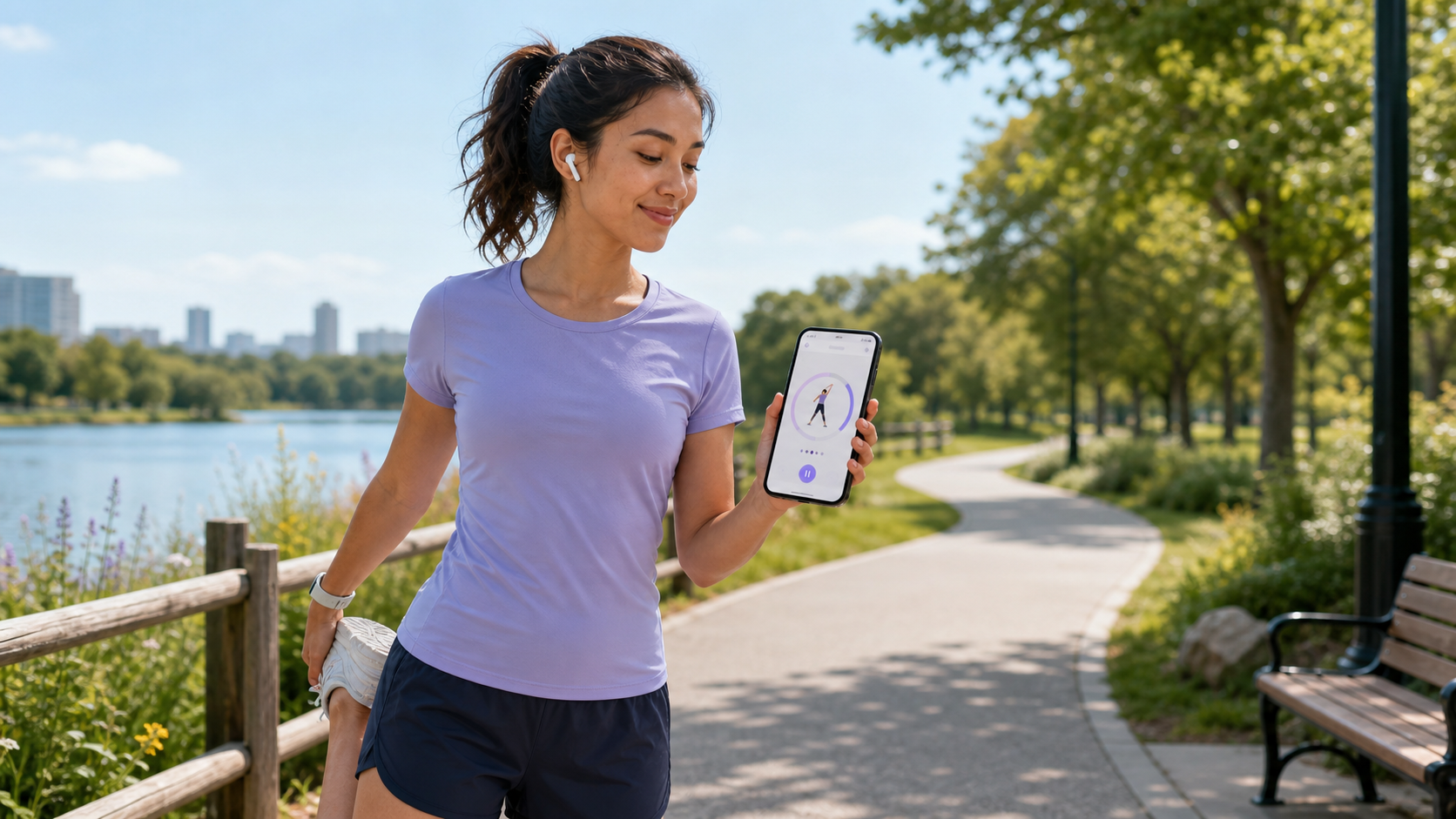
The problem with runner stretching is not knowledge. Most runners already know their calves, quads, hamstrings, hips, and glutes need attention. The skipped step is doing the cooldown when the run is over, the shoes are dirty, and the next thing on the calendar is waiting.
A stretching app for runners should make that moment easier. The win is not a dramatic pose. The win is opening one short routine, following the timer, and finishing before you talk yourself out of it.
If stiff ankles, calves, and hips are the problem before breakfast rather than after training, start with these morning stretches for runners, then use a separate dynamic warm-up immediately before the run.
What should a stretching app for runners do?
A stretching app for runners should turn cooldowns and recovery-day mobility into a repeatable routine. Look for short sessions, visible timers, runner-specific muscle groups, clear exercise cues, and easy repeat options. Avoid apps that make every session feel like a flexibility challenge.
A useful runner app answers four questions fast:
- What do I do after today's run?
- How long should I hold each stretch?
- Which side comes next?
- When am I done?
That is why a runner-specific workflow matters. If the app makes you browse twenty routines after every run, the app has failed. If it gives you a calm 5-minute default, you are much more likely to repeat it.
What is the fastest decision rule after a run?
Use this rule: easy run means a short cooldown stretch; hard run means walk first and keep the stretch lighter; pain means stop and reassess. A stretching app should help you pick the smallest useful session instead of chasing the longest one.
| Running moment | Best app routine | Keep it this simple | | --- | --- | --- | | Easy weekday run | 5-minute calves, quads, hamstrings, hips | Mild holds, no forcing | | Long run | 8-minute lower-body cooldown | Walk first, then stretch | | Hill or speed day | Calves, ankles, hip flexors | Shorter holds if legs feel cooked | | Recovery day | Gentle mobility and full-body reset | Move slowly, skip intensity | | Knee or sharp pain | No app routine as treatment | Pause and seek guidance if it persists |
The fastest path is boring on purpose: save one runner cooldown and one recovery-day routine. Use those until the habit is automatic.
Which muscles should runner stretching cover?
Runner stretching should usually cover calves, quads, hamstrings, hip flexors, and glutes. Those areas take repeated load during running and commonly feel stiff after sitting, hills, speed work, or longer sessions.
Start here:
- Calves and ankles after hills, speed work, or tight shoes.
- Quads after downhill running or long efforts.
- Hamstrings after fast running or long sitting before a run.
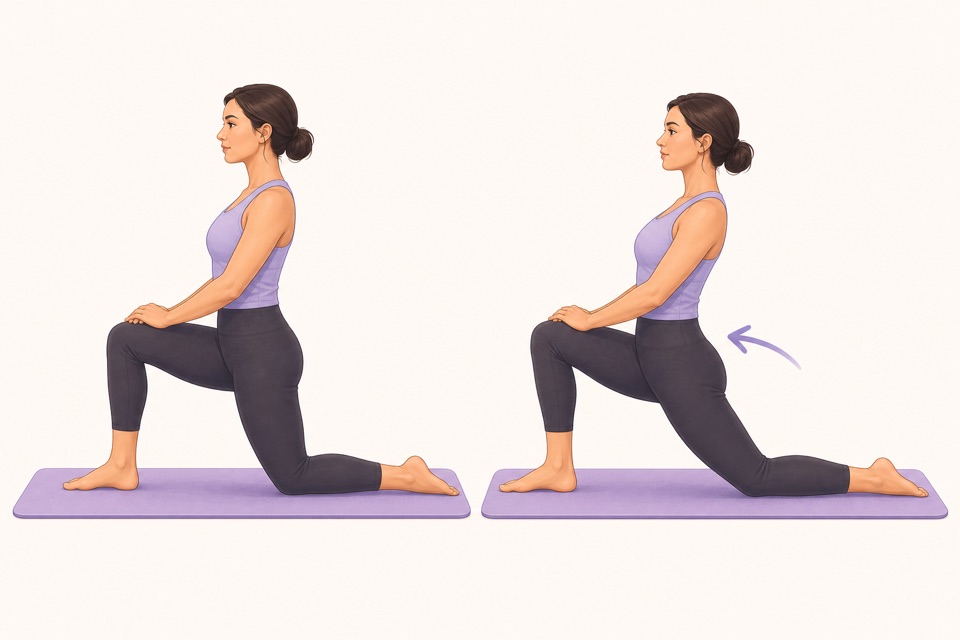
- Hip flexors after desk-heavy days.
- Glutes when hips or the outside of the hip feel stiff.
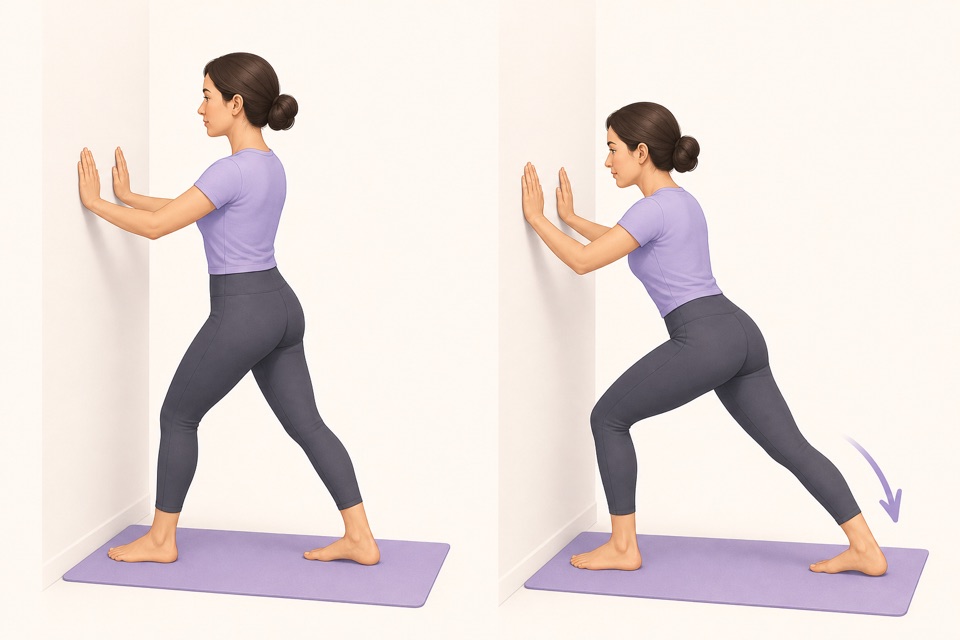
If you want the actual movement sequence, use the runner stretching routine as your base. If hips are the main limiter, pair it with stretches for tight hips or a gentle hip flexor stretch guide.
From Wiggle
Recommended moves
Should runners stretch before or after running?
Before a run, runners usually do better with dynamic movement. After a run, gentle static stretching can fit the cooldown. A good app should separate warm-up movement from post-run stretching so you are not holding long poses before your body is ready.
Think of the difference like this:
- Before running: ankle circles, leg swings, easy squats, relaxed marching, light movement.
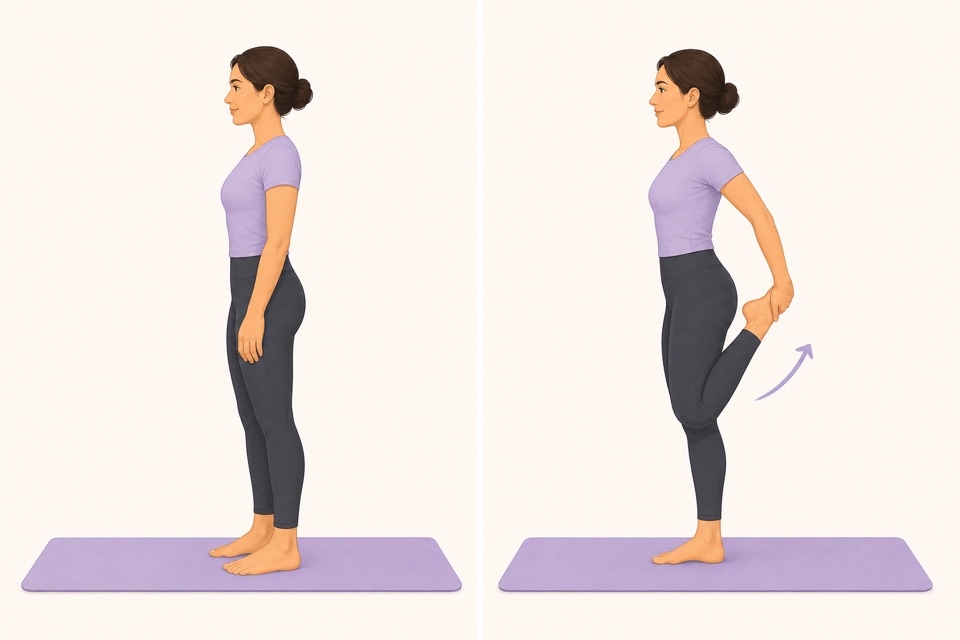
- After running: mild calf, quad, hamstring, hip flexor, and glute holds.
- On recovery days: slower mobility, full-body movement, and no pressure to hit deep ranges.
Static stretching after running is not a magic recovery button. It is a way to slow down, check in, and keep a gentle mobility habit attached to a run you already completed.
If your lower back is the area that complains after runs or gym work, use back stretches after workout as the cooldown template and keep the range mild.
What should runners avoid in a stretching app?
Runners should avoid apps that treat every stretch like a performance test. Deep holds, aggressive progress promises, random long sessions, and no stop guidance are all bad fits after tired legs.
Use this checklist before trusting a runner routine:
- Does it start with short sessions under 10 minutes?
- Does it include a visible timer?
- Does it show side switches clearly?
- Does it include calves, quads, hamstrings, hips, and glutes?
- Does it make recovery days easier instead of harder?
- Does it tell you to stop when pain feels sharp, unusual, or worrying?
A stretching app is a pacing tool. It should help you finish calmly, not convince you that discomfort is proof the routine is working.
How can Wiggle help runners stay consistent?
Wiggle helps runners by removing the tiny decisions that kill cooldowns: choosing moves, timing holds, remembering the order, and deciding when to stop. Open a short routine, follow the timer, and repeat the same session after your next run.
This is the value frame for runners: the app reduces effort before motivation disappears. If you already ran, you should not need another planning session. Start with a short guided cooldown in Wiggle, then save the routine that feels easiest to repeat.
For broader app-selection criteria, read the best stretching app guide. Athletes who mix running with strength work or field sports can use the stretching app for athletes decision guide to separate warm-ups, cooldowns, and recovery sessions. If timing is your main blocker, the stretching app with timer guide explains the feature that matters most.
Sources
Why we keep it gentle
These guides are written for everyday stiffness and habit-building. They are grounded in mainstream guidance on flexibility, movement, and when to seek medical help.
- Stretching: Focus on flexibilityMayo Clinic
- Physical Activity Guidelines for AmericansU.S. Department of Health and Human Services
- Running injuriesMedlinePlus
FAQ
Questions people ask
What is the best stretching app for runners?
The best stretching app for runners is one that makes cooldowns and recovery-day mobility easy to repeat: short routines, clear exercise visuals, a visible timer, saved runner-focused sessions, and gentle stop signs. The app should reduce decisions after a run, not push intense flexibility work when your legs are already tired.
Should runners stretch before or after running?
Most runners should use dynamic movement before a run and gentler static stretching after the run or on recovery days. Before running, think leg swings, ankle circles, and easy movement. After running, use mild holds for calves, quads, hamstrings, hip flexors, and glutes.
How long should a runner stretching app routine be?
Start with 5 to 8 minutes. That is long enough to cover the major running areas and short enough to repeat after weekday runs. If you only have three minutes, stretch calves, hip flexors, and hamstrings first.
Can a stretching app help with runner's knee?
A stretching app can help runners build a gentle mobility habit, but it cannot diagnose or treat runner's knee. If knee pain is sharp, swollen, worsening, persistent, or changes your running form, pause running and ask a qualified professional.
Can Wiggle work as a stretching app for runners?
Yes. Wiggle is useful for runners who want short guided sessions, clear timers, and repeatable routines for calves, hips, hamstrings, quads, glutes, and full-body recovery days.