Wiggle guide
Lower Back Stretches After Standing All Day: A Gentle Reset
A gentle lower-back, hip, calf, and hamstring reset for people who feel stiff after long standing blocks.
lower back stretches after standing all day
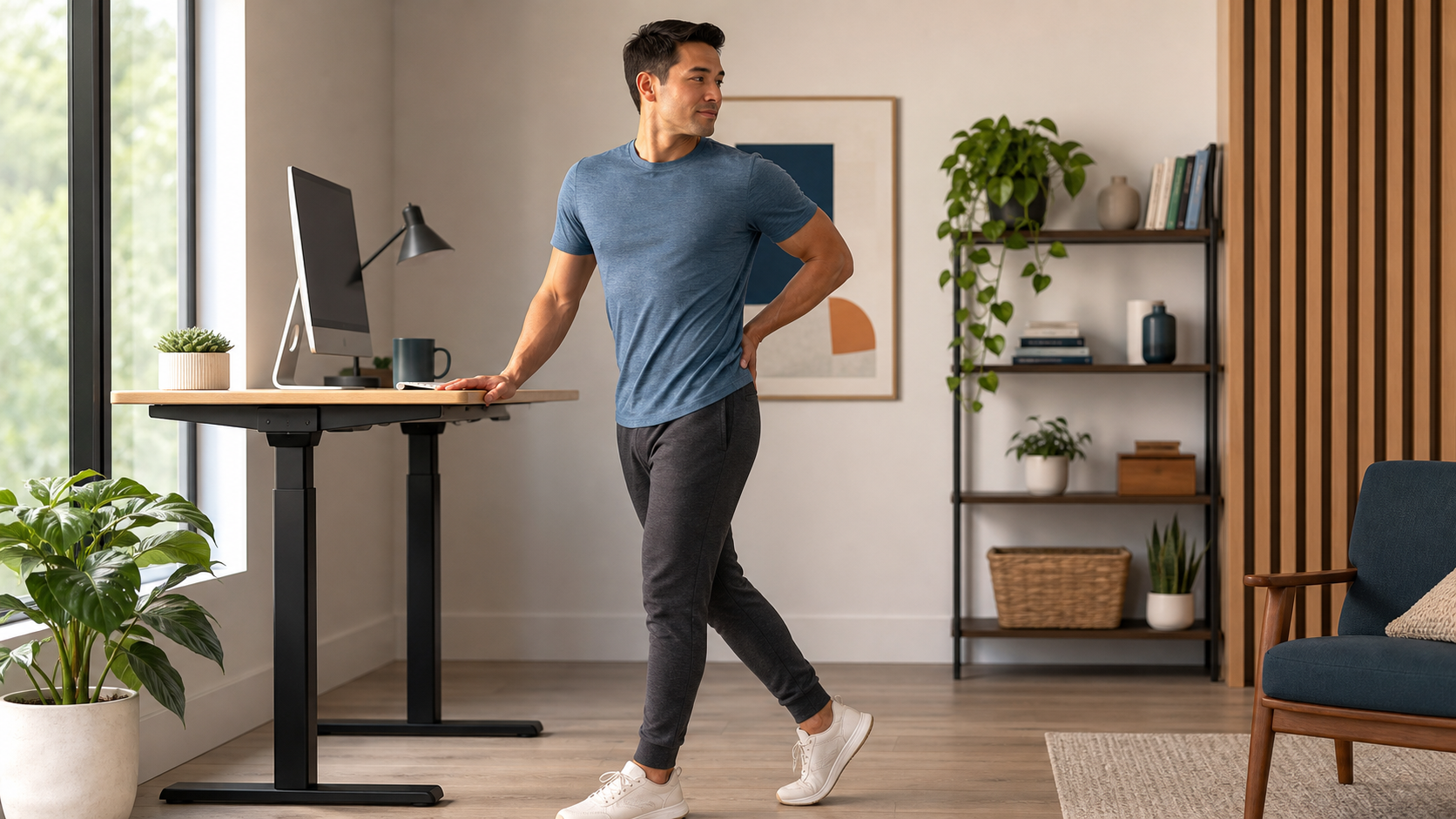
The annoying part of standing all day is that it can feel productive until your lower back starts sending invoices. You were not sitting, so it feels like you did the healthier thing. But standing still for hours can still leave your calves tired, hips guarded, hamstrings tight, and lower back cranky.
Use this guide when the issue is mild, familiar stiffness after a long standing block. The fast rule is simple: change position first, move the lower legs and hips next, then use gentle lower back stretches after standing all day. Do not start by forcing a deep forward fold.
If your stiffness mostly comes from desk sitting, use lower back stretches after sitting. If it happens beside a height-adjustable desk, pair this with standing desk stretches. If you want the broad beginner version, start with easy lower back stretches.
What are lower back stretches after standing all day?
Lower back stretches after standing all day are gentle position-change movements for mild back, hip, calf, and hamstring stiffness after long upright work. A good routine alternates sitting, walking, supported standing stretches, and hip work instead of asking the lower back to absorb the whole day.
Lower back stretches after standing all day are not a diagnosis, treatment plan, or way to test whether pain is serious. They are a low-pressure reset for everyday stiffness only.
Use this decision rule:
| What you feel after standing | Best first move | Avoid first | | --- | --- | --- | | Lower back feels tired and compressed | Sit for 60 seconds, then walk | Standing still while stretching everything | | Calves or feet feel heavy | Calf stretch and ankle circles | Deep forward fold as the first move | | Front of hips feels short | Supported hip flexor stretch | Overarching the lower back | | Back of legs feels tight | Supported hamstring stretch | Bouncing toward the toes | | Symptoms feel sharp, spreading, or worrying | Stop and get qualified guidance | Stretching through it |
What 8-minute routine should I do after standing all day?
The best routine is short, supported, and biased toward position variety. Start by sitting or walking because your body has already spent enough time standing. Then use gentle lower-leg, hip, and back-friendly movements that let you breathe normally.
Try this sequence:
- Sit or walk for 1 minute to change the pattern.
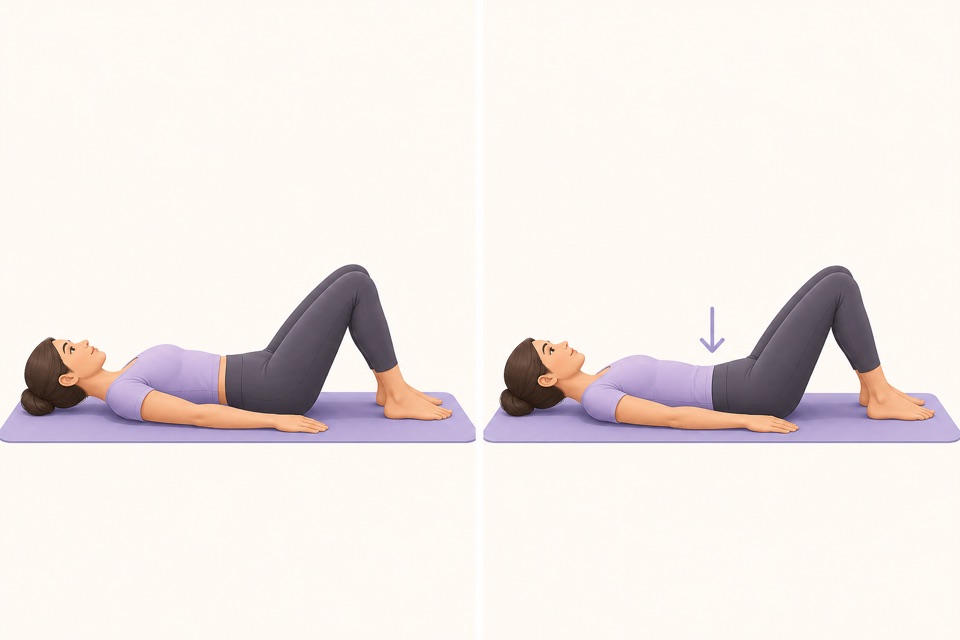
- Standing pelvic tilts for 45 seconds.
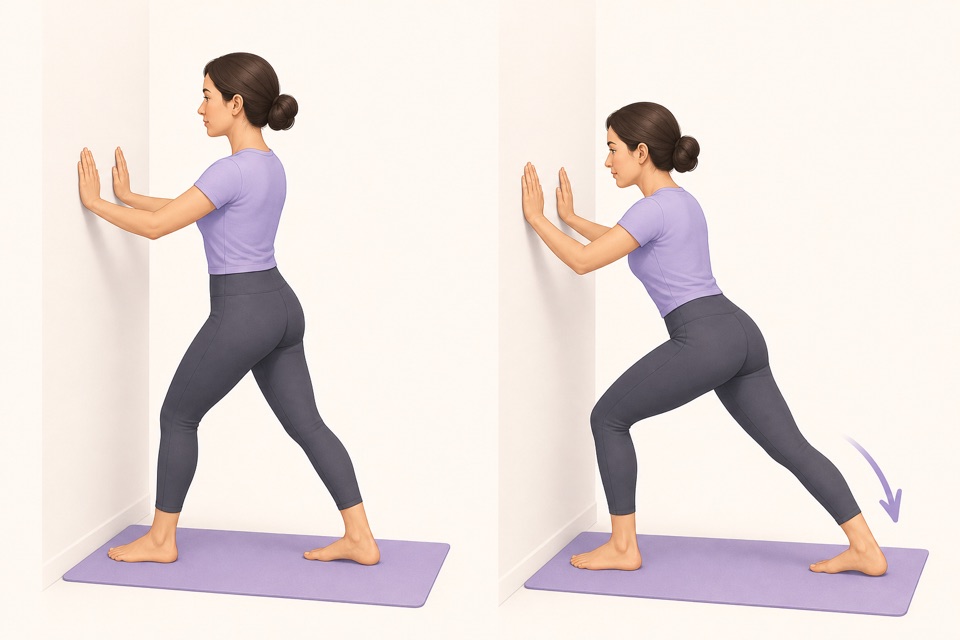
- Supported calf stretch for 45 seconds per side.
- Supported hip flexor stretch for 45 seconds per side.
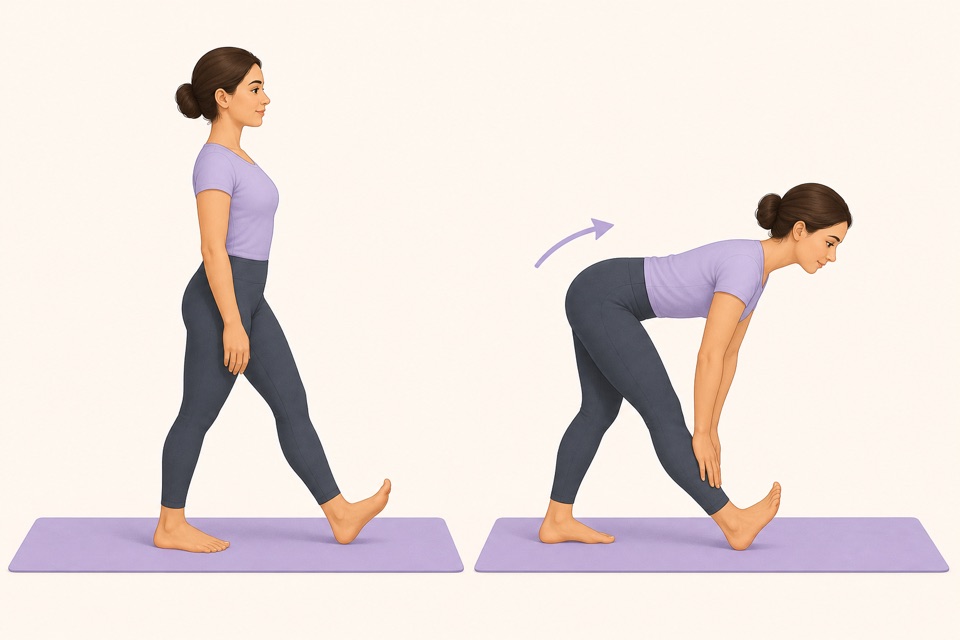
- Standing hamstring stretch for 45 seconds per side.
- Seated figure-four stretch for 45 seconds per side.
- Easy walk for 1 final minute.
If you only have three minutes, do the walk, calf stretch, and hip flexor stretch. That covers the most common standing-all-day bottlenecks without turning the reset into a workout.
From Wiggle
Recommended moves
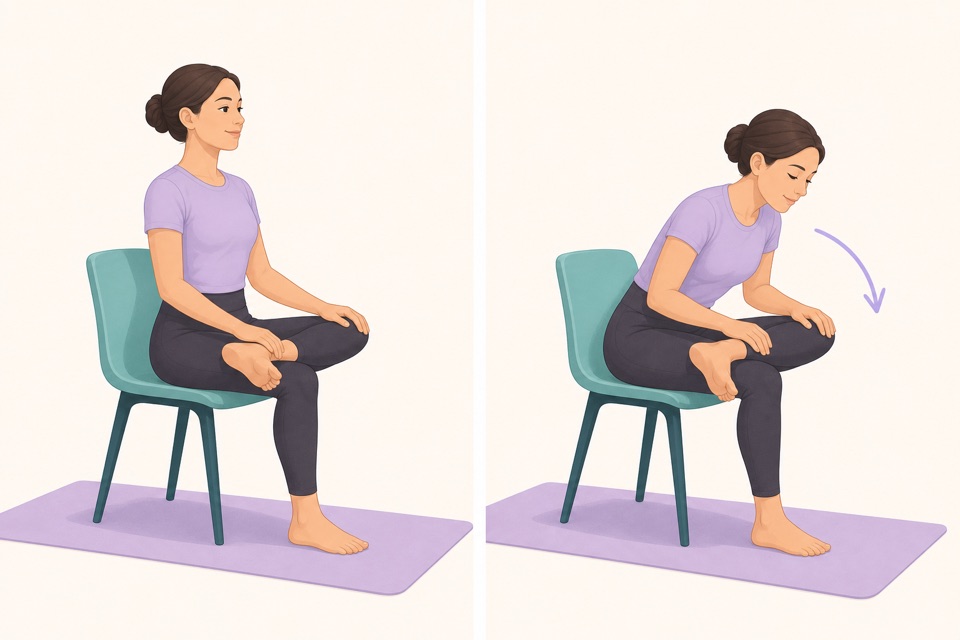
Why can standing all day bother the lower back?
Standing all day can bother the lower back because stillness is still stillness. Locked knees, shifting into one hip, tired feet, tight calves, hip fatigue, footwear, and workstation height can all change how the back feels by the end of the day.
This does not mean the lower back is definitely the source of the problem. MedlinePlus treats back pain as a broad symptom with many possible causes, which is why a general stretching article should stay conservative. Use movement for mild everyday stiffness, not for self-diagnosis.
Common failure modes:
- You stand with locked knees until the lower back feels tired.
- You shift into one hip for long blocks.
- You wear shoes that feel fine for errands but not for hours of standing.
- You stretch only the lower back and ignore calves, hamstrings, hips, and feet.
- You wait until the end of the day instead of using tiny position changes earlier.
For lower-leg stiffness, use calf stretches at desk. If hamstrings are the loudest limiter, use hamstring stretches at desk before adding more back work.
Should you stretch, sit, or walk first?
After standing all day, sit or walk first. A short position change can make the first stretch safer and easier to judge. If you immediately chase a deep stretch while tired, you may turn a simple reset into another strain on the same tissues.
Use this quick check:
| Time available | Do this | Why it works | | --- | --- | --- | | 90 seconds | Sit, breathe, then walk | Breaks the standing pattern | | 3 minutes | Walk, calf stretch, hip flexor stretch | Covers lower legs and front hips | | 8 minutes | Full routine above | Adds hamstrings, hips, and a final walk | | End of shift | Full routine plus footwear/workstation review | Solves the pattern, not just the symptom |
OSHA's workstation guidance emphasizes fitting the workstation to the worker. For a standing-heavy day, that means your reset should not only be stretches. It should also ask whether the surface height, shoes, floor, breaks, and position changes are setting you up to fail.
How do you keep lower back stretches after standing safe?
Keep every stretch mild enough that you can breathe normally, talk normally, and stop cleanly. The goal is to leave the standing block, not win a flexibility contest. Mayo Clinic's stretching guidance favors smooth movement and backing off from pain.
Use this checklist:
- Sit or walk before the first stretch if you feel tired.
- Keep one hand near a wall, desk, or chair for balance.
- Keep knees soft instead of locked.
- Use mild tension, not pain.
- Avoid bouncing.
- Skip any movement that sends symptoms down the leg.
- Ask a qualified professional for new, severe, persistent, injury-related, or worrying symptoms.
If one side feels dramatically different, or if pain feels sharp, numb, weak, feverish, swollen, or unusual, this is no longer a stretching-app problem. Stop and get personal guidance.
How can Wiggle make the routine easier to repeat?
Wiggle removes the effort that usually kills this habit: choosing the stretch, counting the hold, switching sides, and deciding whether a short routine counts. Save one lower-back-friendly reset and run it after long standing blocks for a week before changing the sequence.
The useful routine is not heroic. It is a small loop: change position, stretch calves and hips, move the back gently, walk, and get on with your day. If the same stiffness shows up at work too, keep lower back stretches at work as the office version.
For a broader standing setup, use standing desk stretches. For sitting-heavy days, use stretches for sitting all day. For a gentle night reset after a standing shift, use lower back stretches before bed.
Sources
Why we keep it gentle
These guides are written for everyday stiffness and habit-building. They are grounded in mainstream guidance on flexibility, movement, and when to seek medical help.
- Stretching: Focus on flexibilityMayo Clinic
- Back painMedlinePlus
- Standing workstation: What you need to knowOSHA
- Physical Activity Guidelines for AmericansU.S. Department of Health and Human Services
FAQ
Questions people ask
What are the best lower back stretches after standing all day?
The best lower back stretches after standing all day start with position change, then use gentle pelvic tilts, supported hip flexor stretches, standing hamstring stretches, calf stretches, and a seated figure-four stretch. Keep the range mild and stop if symptoms worsen.
Why does my lower back feel tight after standing all day?
Lower-back tightness after standing all day can come from stillness, locked knees, tired hips, tight calves or hamstrings, footwear, work surfaces, or normal fatigue. It can also come from medical issues, so treat this routine as a mild stiffness reset, not a diagnosis.
Should I sit down before stretching after standing all day?
Often, yes. If you have been standing still for hours, sit for one minute, walk for one minute, then stretch. Alternating positions usually works better than trying to solve standing fatigue by standing harder.
How long should the routine take?
Start with 6 to 8 minutes. Do one short reset after work or after a long standing block, then repeat later only if the first pass felt calm and useful.
When should I avoid lower back stretches after standing?
Skip the routine and ask a qualified professional if pain is new, severe, persistent, injury-related, travels down the leg, or comes with numbness, weakness, fever, dizziness, swelling, or symptoms that worry you.