Wiggle guide
Lower Back Stretches After Gardening: A 7-Minute Reset
A gentle post-gardening routine for mild stiffness in the lower back, hips, and hamstrings.
lower back stretches after gardening
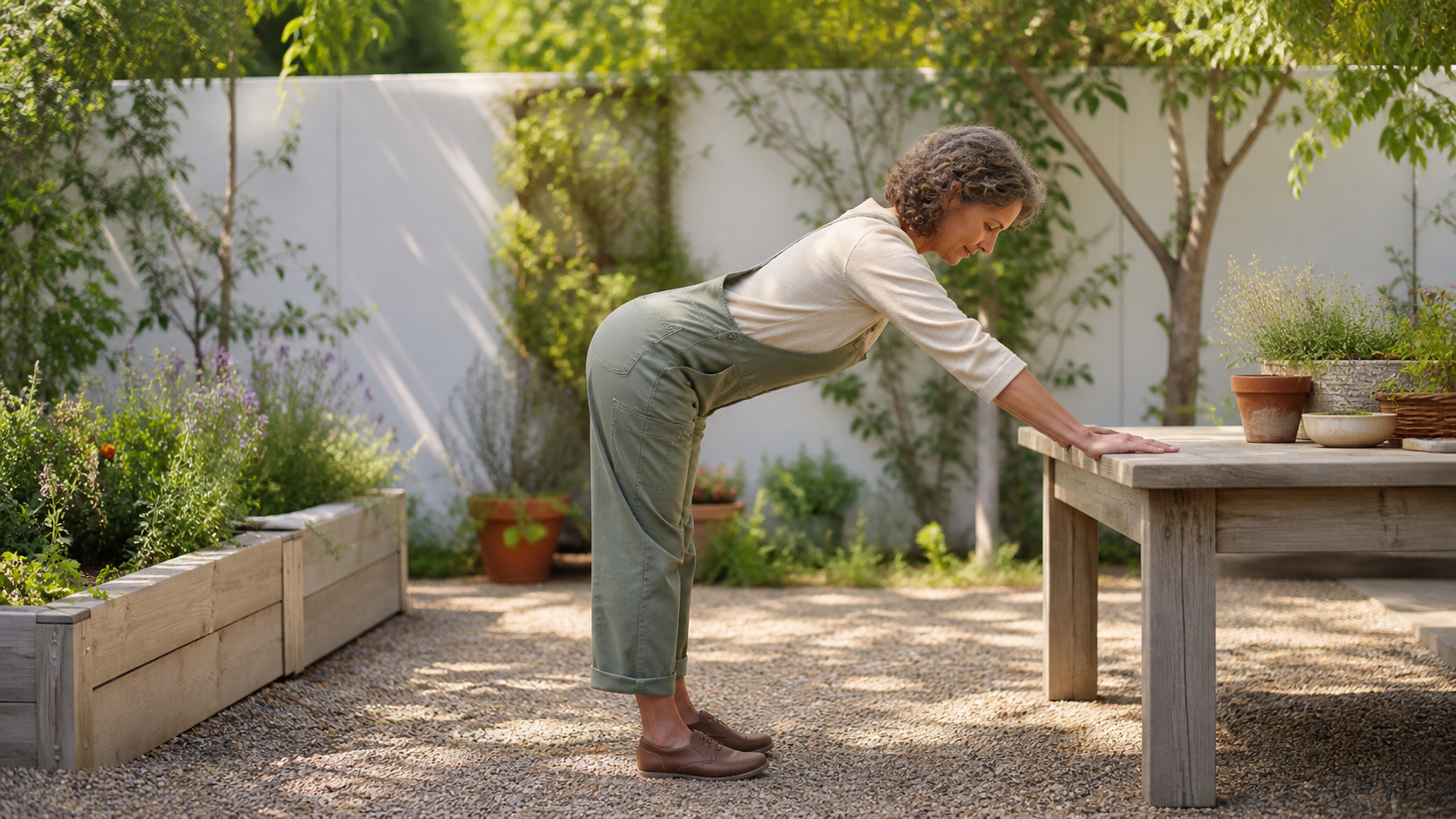
The flower bed looks better. Your lower back has filed a complaint. Gardening quietly stacks bending, kneeling, reaching, lifting, and twisting into one long session, so the wrong response is usually a heroic toe-touch while you are still tired.
Use this fast rule: if the feeling is mild, familiar stiffness, walk first and then try the seven-minute reset below. If you felt a sudden pull, fell, or have severe or worsening pain, numbness, weakness, fever, loss of bladder or bowel control, or symptoms running down a leg, stop and seek qualified medical guidance.
What are lower back stretches after gardening?
Lower back stretches after gardening are gentle movements used after yard work to change position, restore comfortable motion, and relax the hips and legs around the back. They are best suited to ordinary, familiar stiffness—not an injury, unexplained pain, or a way to diagnose what hurts.
A post-gardening back reset is a short sequence of walking, easy trunk movement, hip stretches, and calm breathing. The goal is to feel less guarded without forcing range.
| What happened | Best first move | Skip for now | | --- | --- | --- | | Mild stiffness after weeding | Walk, then use the routine below | Deep, bouncing stretches | | Tight hips after kneeling | Supported hip flexor stretch | Forcing the lower back to arch | | Tired hamstrings after bending | Short supported hamstring stretch | Pulling hard toward the toes | | Sudden pain after lifting or a fall | Stop and get qualified advice | Testing it with more stretching | | Numbness, weakness, or spreading symptoms | Seek prompt medical guidance | Continuing the garden session |
If your stiffness comes mainly from a workout, use the post-workout lower back cooldown. For a broad beginner option, start with easy lower back stretches.
What is the best 7-minute routine after gardening?
The best routine begins with walking, then moves from small spinal motions to supported hip and hamstring stretches. This order reduces effort, avoids an abrupt deep bend, and gives you several chances to stop if the movement does not feel right.
- Walk for 90 seconds. Stand tall without forcing posture and let your arms swing.
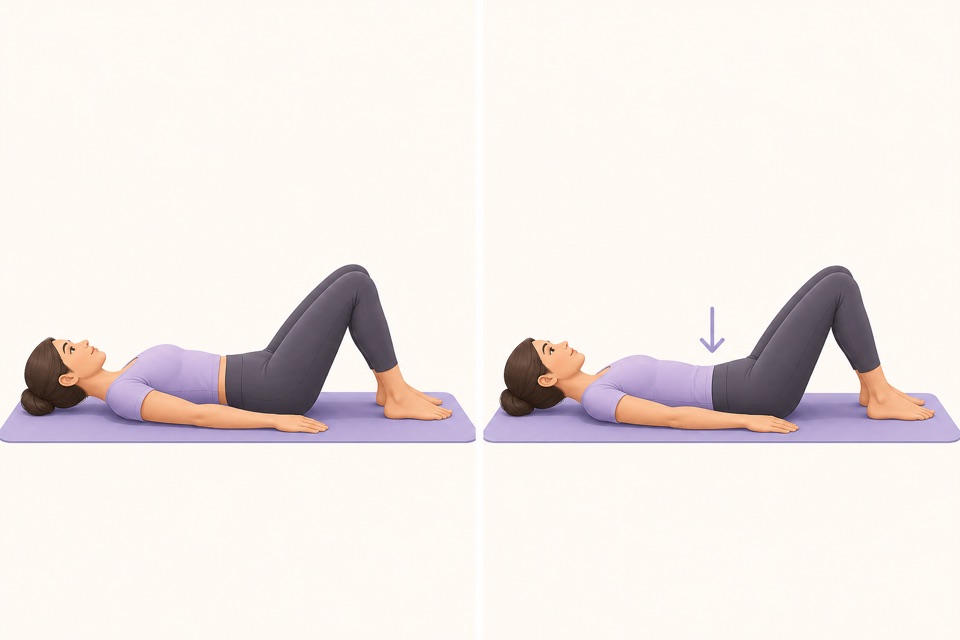
- Standing pelvic tilts for 45 seconds. Make a small tuck-and-release motion; do not squeeze hard.
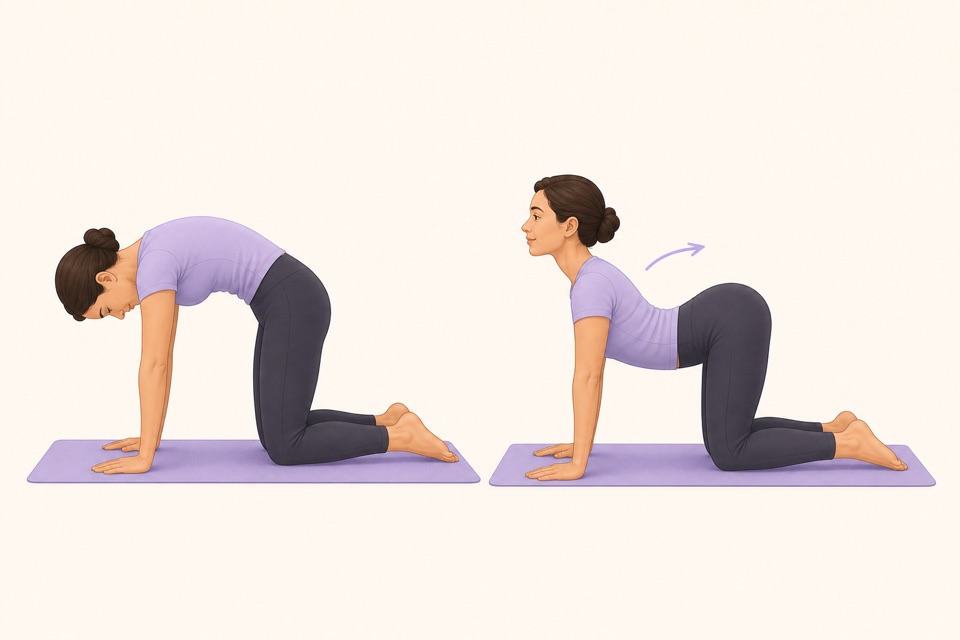
- Cat-cow for 60 seconds. Use hands and knees on a pad, or place hands on a sturdy bench.
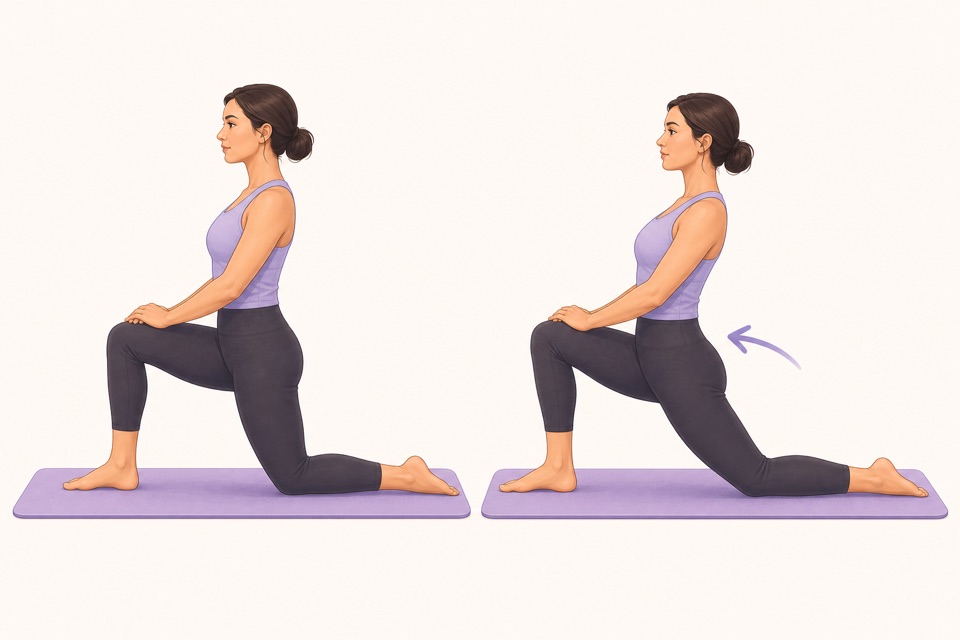
- Supported hip flexor stretch for 30 seconds per side. Keep the pelvis gently tucked instead of arching.
- Standing hamstring stretch for 30 seconds per side. Put one heel forward and hinge slightly at the hips.
- Easy walk and breathing for 90 seconds. Finish upright and reassess.
From Wiggle
Recommended moves
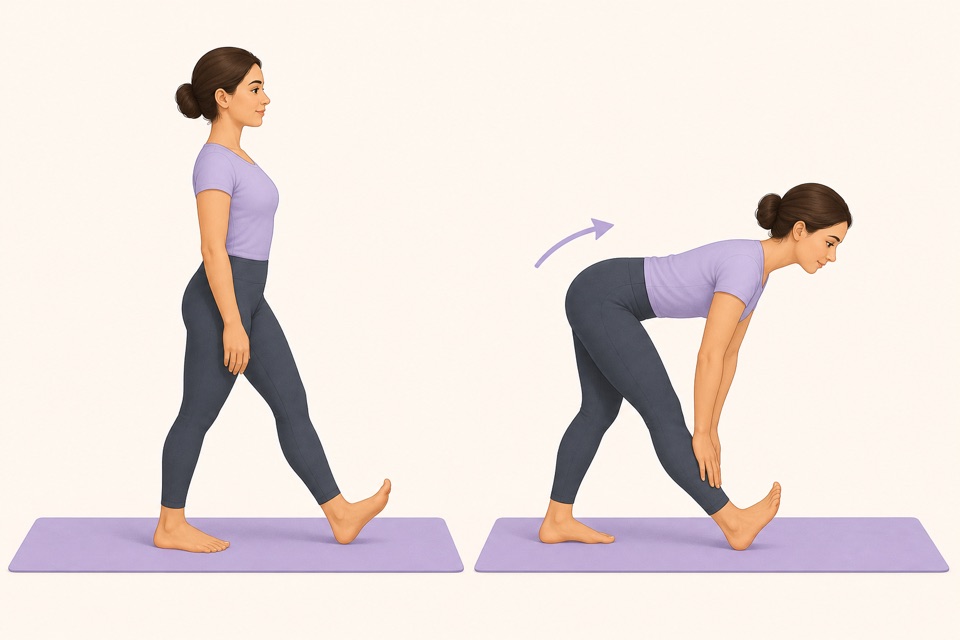
Mayo Clinic advises stretching smoothly without bouncing and backing off from pain. That is the right standard here: mild tension, normal breathing, and no need to chase a bigger range.
Why can your lower back feel tight after gardening?
Gardening can feel demanding because the work combines repeated bending with long static positions. Reaching across a bed, twisting while carrying soil, kneeling with the hips flexed, and lifting pots away from the body can all increase effort. Tightness alone cannot tell you which structure is involved.
Common failure modes include:
- Staying folded over one bed for 20 minutes without standing up.
- Twisting while lifting a pot instead of turning the feet.
- Carrying one heavy load when two lighter trips would work.
- Reaching farther because the tools are on the opposite side.
- Treating every tight feeling as something that must be stretched harder.
MedlinePlus describes back pain as a symptom with many possible causes. Gentle movement may feel useful for ordinary stiffness, but persistent or worrying symptoms deserve an individual assessment.
How do you modify these stretches without getting on the ground?
Use a wall, sturdy chair, or garden bench to keep the entire routine standing. Replace floor cat-cow with a supported bench cat-cow, shorten the stance for the hip flexor stretch, and keep the hamstring hinge shallow. A modification works when it reduces effort without changing the goal.
- Walk for one minute.
- Place hands on a bench and do six small cat-cow repetitions.
- Step one foot back for a supported hip flexor stretch.
- Put one heel forward for a shallow hamstring hinge.
- Finish with five slow breaths and another short walk.
For more upright options, see standing stretches for lower back pain. If hips are the main limitation, use hip and back stretches.
How can you reduce stiffness during the next gardening session?
Change the job before trying to change your flexibility. Bring the bed closer, raise the work surface when practical, alternate kneeling and standing, move the feet before turning, and split heavy loads. A 60-second walking break every time you switch tasks is easier to remember than a perfect schedule.
- Put frequently used tools on the side closest to the task.
- Use a kneeling pad, stool, or raised bed when it makes the work easier.
- Hinge at the hips and keep loads close rather than reaching and twisting.
- Make two lighter trips instead of one awkward carry.
- Change position when you finish each small section.
- Stop before fatigue makes every movement sloppy.
How can Wiggle make the routine easier to repeat?
Wiggle handles the part people skip: choosing movements, timing holds, and remembering what comes next. Save a short back-and-hips routine, start it after you put the tools away, and keep the first week deliberately easy. The useful habit is the routine you repeat, not the deepest stretch you can survive.
If mornings are when gardening catches up with you, use lower back stretches after waking up. For a broader mobility session on a different day, try lower back mobility exercises.
Sources
Why we keep it gentle
These guides are written for everyday stiffness and habit-building. They are grounded in mainstream guidance on flexibility, movement, and when to seek medical help.
- Stretching: Focus on flexibilityMayo Clinic
- Back painMedlinePlus
- Back pain at work: Preventing pain and injuryMayo Clinic
- Physical Activity Guidelines for AmericansU.S. Department of Health and Human Services
FAQ
Questions people ask
What are the best lower back stretches after gardening?
Start with easy walking, then try pelvic tilts, cat-cow, a supported hip flexor stretch, and a gentle standing hamstring stretch. Keep the range comfortable and stop if pain is sharp, spreading, or getting worse.
Should I stretch immediately after gardening?
For mild, familiar stiffness, walk and breathe for a minute or two first. If you felt a sudden pull, fell, or have severe pain, weakness, numbness, or symptoms down a leg, skip the routine and seek qualified guidance.
Why does gardening make my lower back feel tight?
Gardening often combines prolonged bending, kneeling, reaching, lifting, and twisting. Staying in one position can also feel tiring. The sensation does not identify a cause, so use this routine only for ordinary stiffness rather than self-diagnosis.
How long should a post-gardening stretch routine take?
Five to eight minutes is enough for a first pass. Use slow, mild movements and reassess afterward. A short routine you repeat is more useful than forcing one long stretch.
How can I prevent lower back stiffness while gardening?
Change positions regularly, bring work closer, hinge at the hips, split heavy loads, use a kneeling pad or raised bed, and take brief walking breaks.
For a similar reset after indoor chores, try lower back stretches after housework.