Wiggle guide
Erector Spinae Stretches: A Gentle 6-Minute Routine
Four supported stretches for mild stiffness along the back, with a fast comfort check.
erector spinae stretches
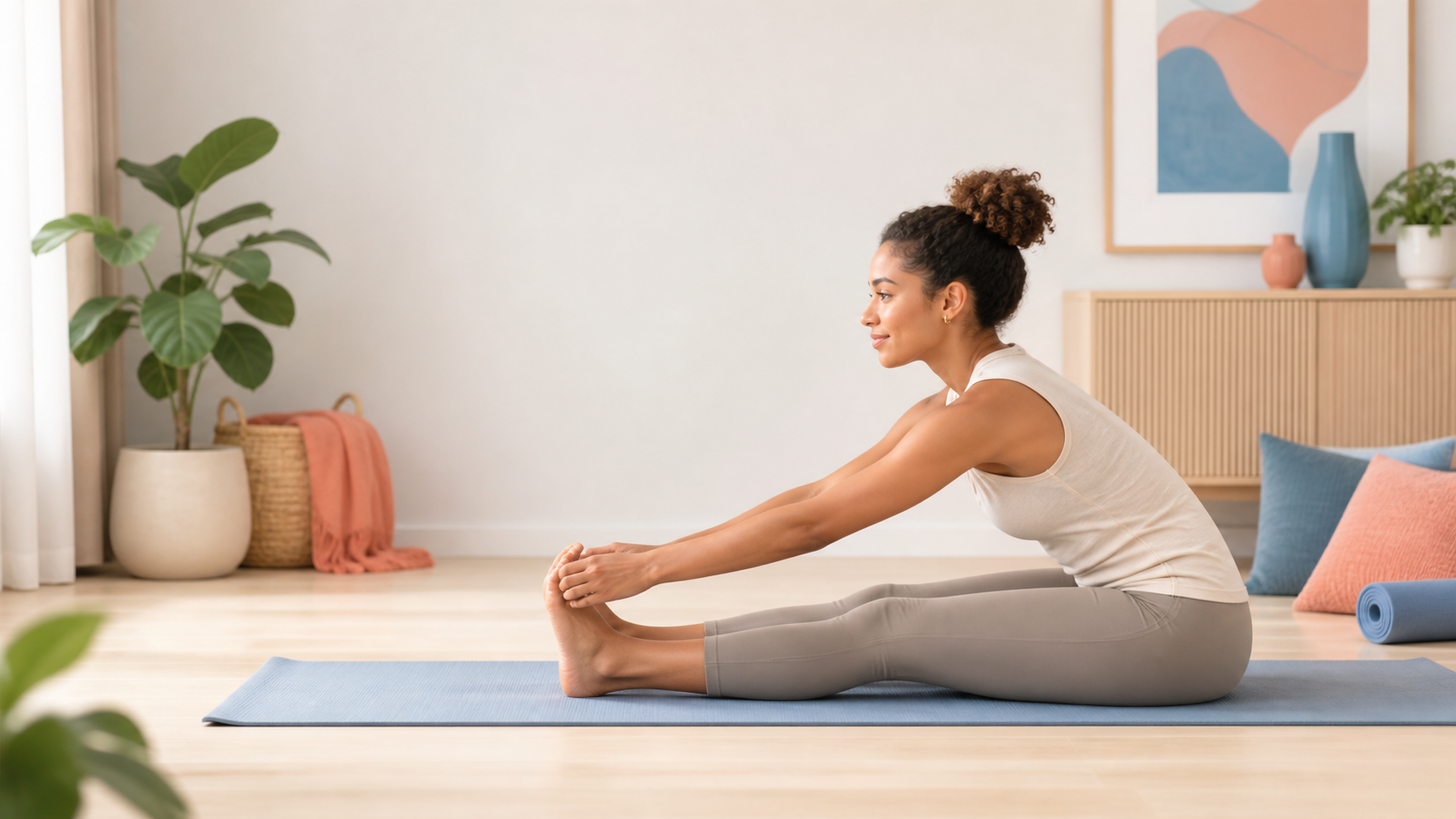
That long, tired feeling beside your spine can make a hard toe-touch seem like the obvious fix. It is not. If the feeling is ordinary mild stiffness, the easier path is a one-minute warm-up followed by supported movements that let your back relax without chasing maximum range.
Use this decision rule first: walk for one minute; continue only if the feeling stays mild or eases. The routine below takes six minutes. Sharp, spreading, or worsening pain is a reason to stop, not stretch harder.
What are the erector spinae muscles?
The erector spinae are paired muscle columns running along the back of the spine. They help extend and side-bend the trunk and contribute to upright posture. They span several regions, so people may describe stiffness beside the lower, middle, or upper back rather than at one precise point.
The erector spinae are a group of back muscles—not one isolated muscle or a diagnosis. OpenStax describes the group as iliocostalis, longissimus, and spinalis. Feeling “tight” there does not prove that the tissue is shortened, damaged, or the sole source of discomfort.
| What you notice | Best next step | Skip for now | | --- | --- | --- | | Mild, even stiffness that eases while walking | Try the gentle routine | Deep forced holds | | Fatigue after a normal workout | Use short, easy ranges | Turning recovery into another workout | | Sharp or worsening pain | Stop and reassess | Stretching through it | | Pain down a leg, numbness, or weakness | Seek qualified medical guidance | Online exercise experiments |
What are the best erector spinae stretches?
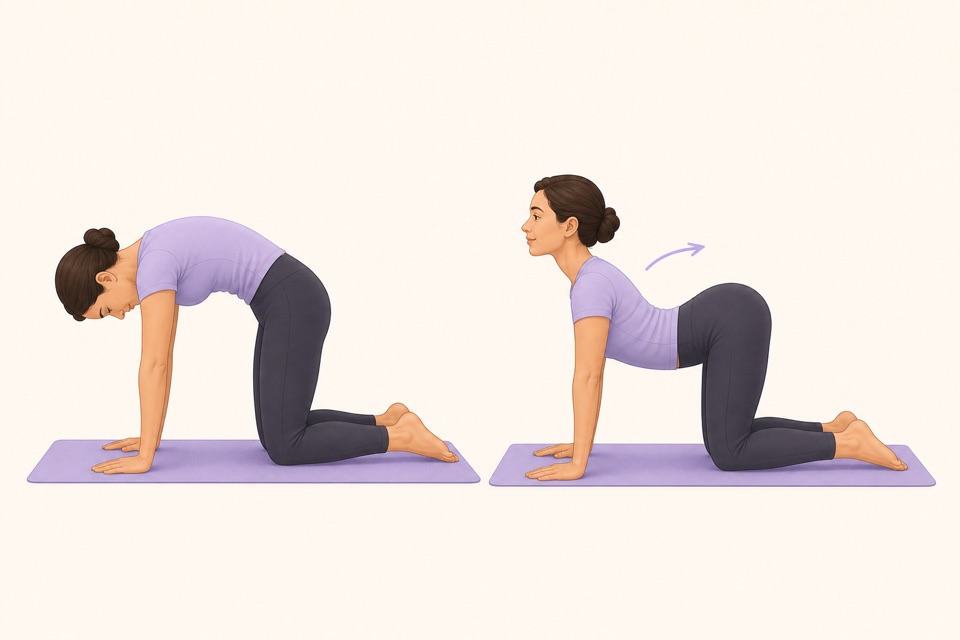
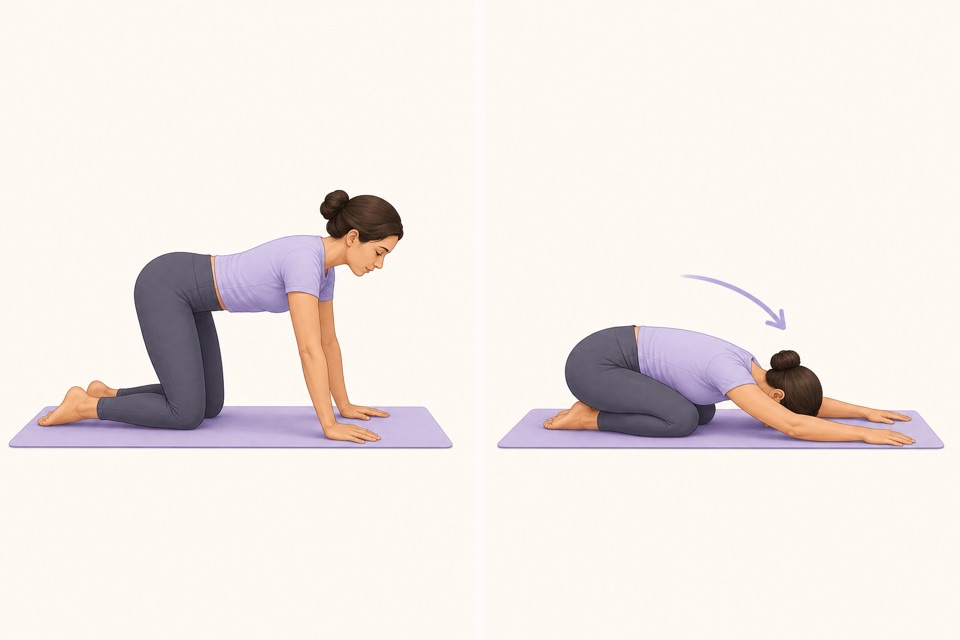
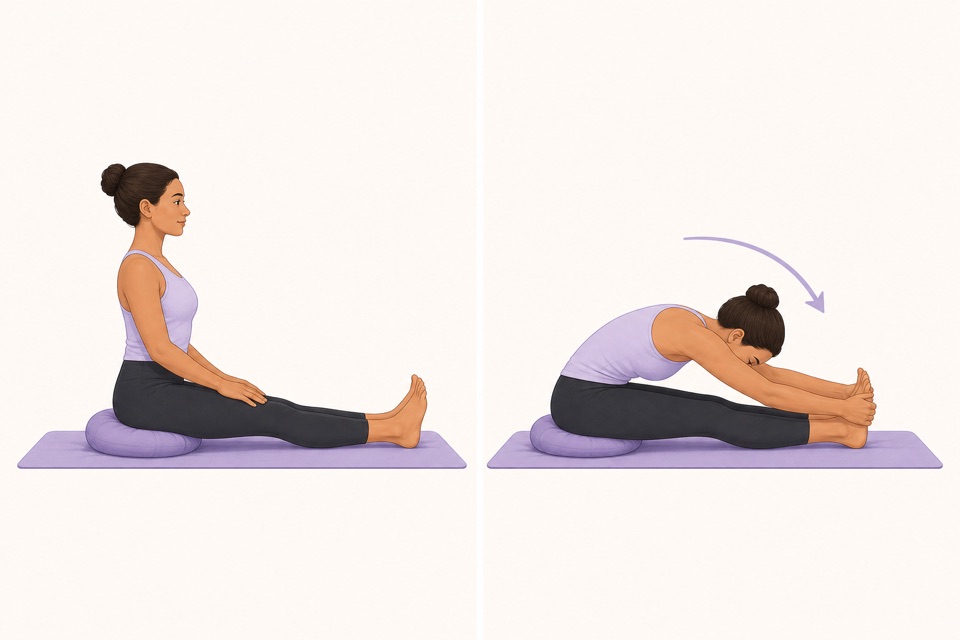
Useful options include cat-cow, supported child's pose, a seated forward reach, and a side-bending child's pose. Together they provide gentle rounding, lengthwise reach, and side bending. No single exercise must suit everyone, so use the smallest comfortable range and skip any position that increases symptoms.
From Wiggle
Recommended moves
1. Cat-cow
Start on hands and knees, or place your hands on a desk if kneeling is uncomfortable. Slowly soften the chest forward, then gently round the back. Do six repetitions. Think “small and smooth,” not “deep and dramatic.”
2. Supported child's pose
Rest your forearms on a sofa, chair, or stacked cushions and shift your hips back slightly. Hold for 20 to 30 seconds while breathing into the back and sides of your ribs. Reduce the bend or skip it if rounding is uncomfortable.
3. Seated forward reach
Sit near the front of a sturdy chair with feet wide and hands on your thighs. Slide your hands forward and hinge only as far as you can breathe comfortably. Hold 20 to 30 seconds, then use your hands on your thighs to return gradually.
4. Side-bending child's pose
From the supported child's pose, walk both hands a little to the right while keeping the hips back. Hold for 20 seconds, return to centre, then switch sides. Keep both sides comfortable rather than trying to make the stretch symmetrical.
How do you stretch the erector spinae in six minutes?
Spend the first minute walking, two minutes on slow mobility, two minutes on supported holds, and the final minute breathing comfortably on your back. This order reduces guesswork and gives you an early exit if movement makes the feeling worse.
| Time | Movement | Comfort cue | | --- | --- | --- | | 0:00-1:00 | Easy walk | Continue only if stiffness stays mild or eases | | 1:00-2:00 | Cat-cow | Six smooth repetitions | | 2:00-3:00 | Supported child's pose | Relax into support; do not pull | | 3:00-4:00 | Seated forward reach | Breathe normally throughout | | 4:00-5:00 | Side reach | About 20 seconds per side | | 5:00-6:00 | Bent-knee breathing | Finish calm, not strained |
Mayo Clinic recommends warming up before stretching, moving smoothly without bouncing, and aiming for tension rather than pain. Those simple rules matter more than forcing an impressive range.
Why can the muscles beside your spine feel tight?
That sensation can follow prolonged sitting, unfamiliar lifting, exercise fatigue, or staying in one posture. It may also involve nearby hips, trunk muscles, and joints. A stretch can change how movement feels, but it cannot identify the cause of persistent back symptoms.
If sitting is the obvious trigger, use lower back stretches after sitting for a chair-to-standing sequence. If you want gradual capacity work rather than a temporary mobility break, see lower back strengthening exercises for beginners. Avoid stacking several back routines on the same day just because they target similar words.
Should you round your back to stretch the erector spinae?
Gentle rounding is one option, but it is not mandatory. Some people prefer a small cat-cow or supported forward reach; others feel better with neutral-spine breathing and a short walk. The right version lets you breathe normally and does not provoke sharp, radiating, or worsening symptoms.
Use support to reduce effort. A chair, sofa, wall, or cushions can make the position easier to control. If floor work is awkward, the easy lower back stretches for beginners guide offers more accessible variations.
When should you stop stretching your back?
Stop if a stretch creates sharp pain, makes symptoms worse, or sends pain, tingling, numbness, or weakness into a leg. New severe pain after a fall, fever with back pain, or symptoms that do not improve deserve professional assessment. Loss of bladder or bowel control or numbness around the groin requires urgent medical care.
MedlinePlus and the NHS explain that back pain can have many causes and highlight neurological and bladder or bowel symptoms as warning signs. Keep this routine for mild everyday stiffness, not unexplained or escalating pain.
How do you make a gentle back routine consistent?
Attach the six-minute sequence to a repeatable cue: after closing your laptop, after an easy walk, or after a normal workout cooldown. Save one sequence, use the same order for a week, and judge it by how comfortably you move—not by how far you can reach.
Wiggle can time each position and show the next movement, removing the need to watch the clock. For a broader everyday sequence, compare this targeted routine with lower back mobility exercises and choose one rather than doing both.
Sources
Why we keep it gentle
These guides are written for everyday stiffness and habit-building. They are grounded in mainstream guidance on flexibility, movement, and when to seek medical help.
- Muscles of the axial skeletonOpenStax
- Stretching: Focus on flexibilityMayo Clinic
- Back painMedlinePlus
- Back painNHS
FAQ
Questions people ask
What are the best erector spinae stretches?
Start with gentle cat-cow, a supported child's pose, a seated forward reach, and a side-bending child's pose. Use a small comfortable range, breathe normally, and hold relaxed positions for about 20 to 30 seconds. Stop if a movement causes sharp, spreading, or worsening pain.
What are the erector spinae muscles?
The erector spinae are paired columns of muscles that run along the back of the spine. They help extend and side-bend the trunk and contribute to posture. A tight feeling in this area does not prove that these muscles are shortened or injured.
How do I stretch the erector spinae safely?
Warm up with a short walk, then choose a supported position and move until you feel mild tension rather than pain. Keep breathing, avoid bouncing, and do not force the deepest possible spinal curve. One or two comfortable rounds are enough.
Why do my erector spinae feel tight?
Back tightness can follow prolonged sitting, unfamiliar lifting, exercise fatigue, or holding one posture for a long time. The feeling alone cannot identify the cause. Repeated, severe, radiating, or worsening symptoms should be assessed by a qualified health professional.
When should I avoid erector spinae stretches?
Avoid stretching through sharp pain, pain travelling into a leg, numbness, weakness, or symptoms after a significant fall. Seek urgent medical care for loss of bladder or bowel control or numbness around the groin.