Wiggle guide
Best App for Stretching and Flexibility: A Practical Buyer Guide
A decision guide for choosing the best app for stretching and flexibility when you want real-life consistency.
best app for stretching and flexibility
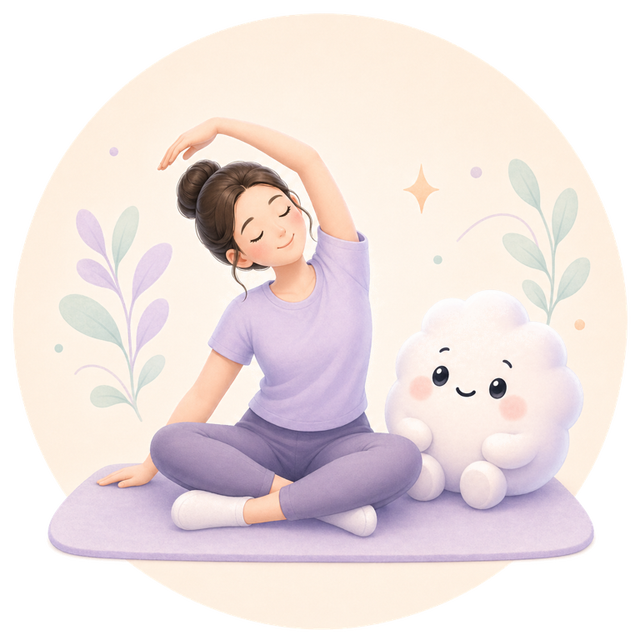
People often search this phrase after realizing that random stretches are not enough. They want a system that turns stretching into something repeatable.
That is the core reason to use Wiggle: not because stretching is complicated, but because starting consistently is harder than it looks.
Quick answer
The best app for stretching and flexibility should combine guided routines, visual instructions, timers, saved plans, and gentle progression. The app should help you start faster and repeat more often.
Decision checklist
- Can you start a session in one or two taps?
- Are routines organized by use case, not just anatomy?
- Does the app show what to do and how long to hold it?
- Can you save or repeat routines?
- Does the tone feel supportive rather than extreme?
Best fit for Wiggle
- Beginners who want guided stretch breaks.
- Desk workers who feel stiff from sitting.
- People with tight hips or tired backs from everyday life.
- Users who want a bedtime wind-down routine.
- Anyone who needs a timer more than a workout feed.
When another app may be better
- You want advanced contortion training.
- You need medical rehabilitation after an injury.
- You want a live coach watching your form.
- You prefer long yoga classes.
- You are training for a sport-specific mobility goal.
From Wiggle
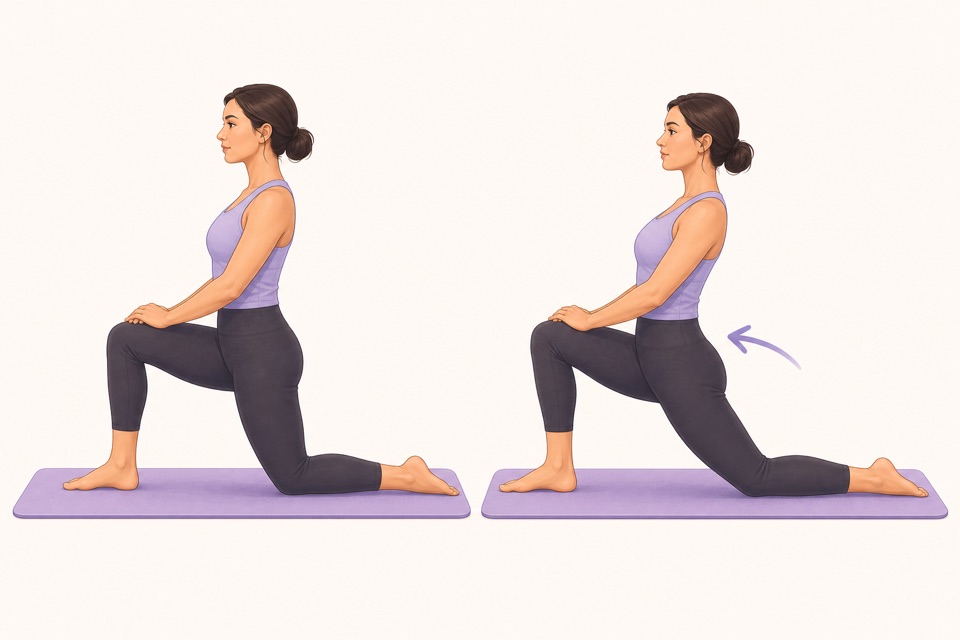
Recommended moves
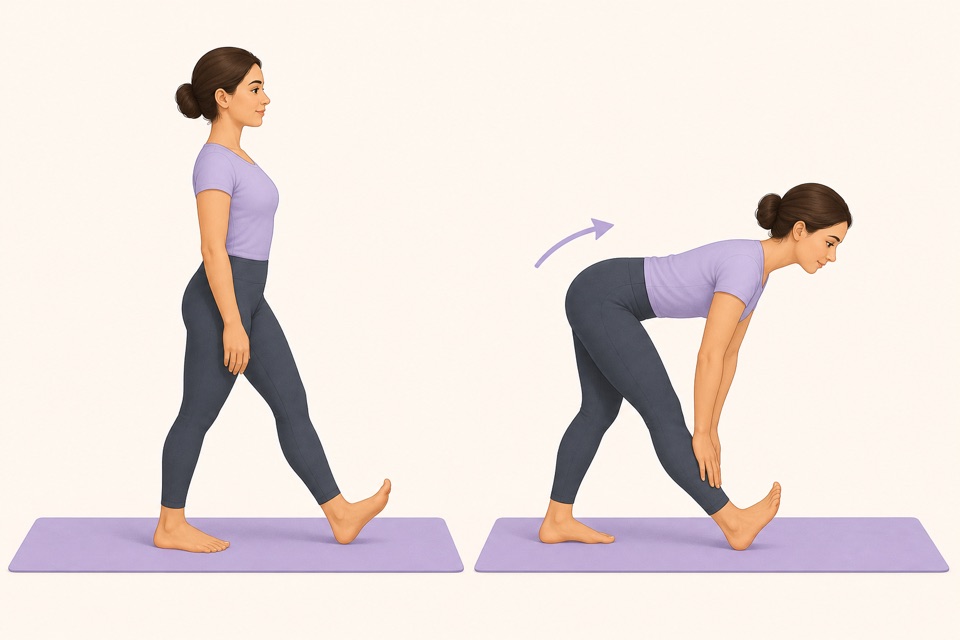
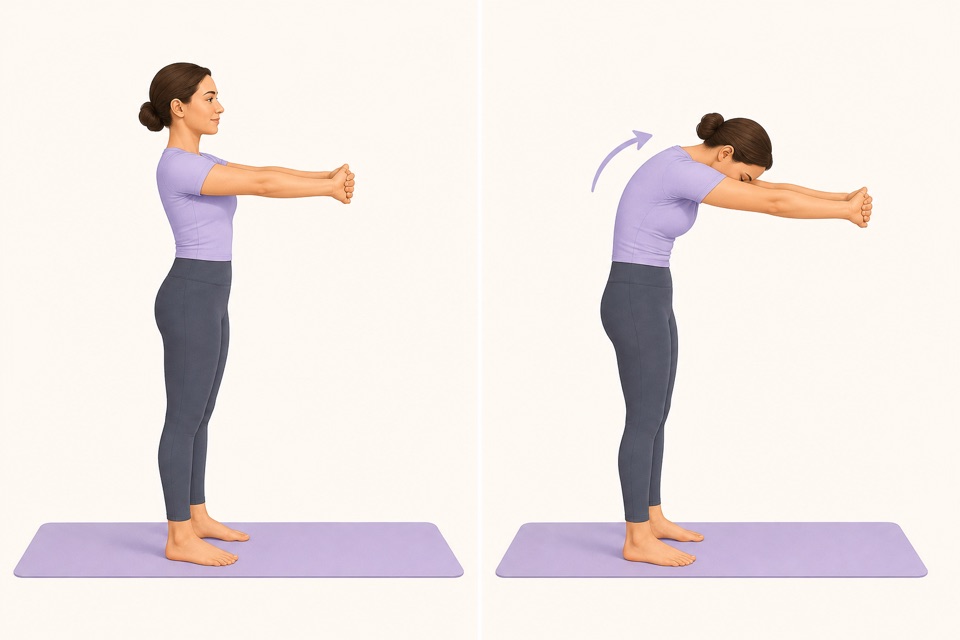
Turn it into a routine
A useful buyer guide should help people choose honestly. Wiggle is built for the large group of people who need stretching to feel easier, shorter, and more repeatable.
This is where a guided app helps: the fewer decisions you make, the more likely you are to repeat the session. A visible timer, a clear next movement, and a saved routine remove the tiny bits of friction that usually stop a good intention.
Sources
Why we keep it gentle
These guides are written for everyday stiffness and habit-building. They are grounded in mainstream guidance on flexibility, movement, and when to seek medical help.
- Stretching: Focus on flexibilityMayo Clinic
- Physical Activity Guidelines for AmericansU.S. Department of Health and Human Services
- Back painMedlinePlus
FAQ
Questions people ask
What should I check before choosing a stretching app?
Look for short routines, clear visual instructions, a visible timer, saved progress, and reminders that feel respectful. A stretching app should remove decisions instead of making you build every session from scratch.
Can beginners start with Wiggle?
Yes. Wiggle is built around short, guided sessions with gentle pacing, simple instructions, and beginner-friendly routines for desk days, tight hips, mornings, and bedtime.
Is Wiggle free to try?
Wiggle offers a 7-day free trial, then paid access. The app shows current subscription pricing clearly before you confirm through the App Store.
Why use an app instead of a saved video?
A saved video can be useful, but an app is better when you want a visible timer, reminders, saved routines, progress history, and a faster way to start the right session for the moment.
Should a stretching app be intense?
No. For everyday habit-building, the app should make gentle consistency easier. A short session that you repeat is more useful than an intense routine that makes you avoid the next one.