Wiggle guide
Stretching and Flexibility App: Build Range Without Overcomplicating It
What a stretching and flexibility app should include for beginners who want gentle progress and a repeatable routine.
stretching and flexibility app
Flexibility improves through repeatable exposure, not one dramatic session. That is why the right app should help you show up often, stay in a comfortable range, and avoid turning every stretch into a test.
Wiggle treats flexibility as a daily practice: small sessions for the body parts that get stiff from real life, with enough structure that you do not have to plan the routine yourself.
If your flexibility goal is more specific, use a narrower routine instead of a generic session. For example, the stretching app for splits guide shows how to build hip, hamstring, and inner-thigh practice without chasing a fixed deadline.
Quick answer
A stretching and flexibility app should help you repeat gentle sessions, not force max-range poses. Look for clear routines, simple progress, visual instructions, and timers that keep the work calm.
What flexibility beginners need
- Short sessions that feel possible on normal days.
- Simple holds with mild tension and normal breathing.
- Routines for hips, hamstrings, shoulders, back, and sleep wind-downs.
- Visual cues that do not require expert vocabulary.
- Progress based on consistency rather than forcing deeper range.
What the app should not do
- Promise fast flexibility transformations.
- Reward pain or aggressive pushing.
- Assume every user wants a yoga class.
- Make beginners choose between too many body-part filters.
- Treat missed days as failure.
A simple weekly plan
- Two full-body sessions for general range.
- Two desk or hip sessions for sitting-heavy days.
- One bedtime stretch for recovery and routine.
- One short session on the busiest day.
- One optional rest day with no guilt.
From Wiggle
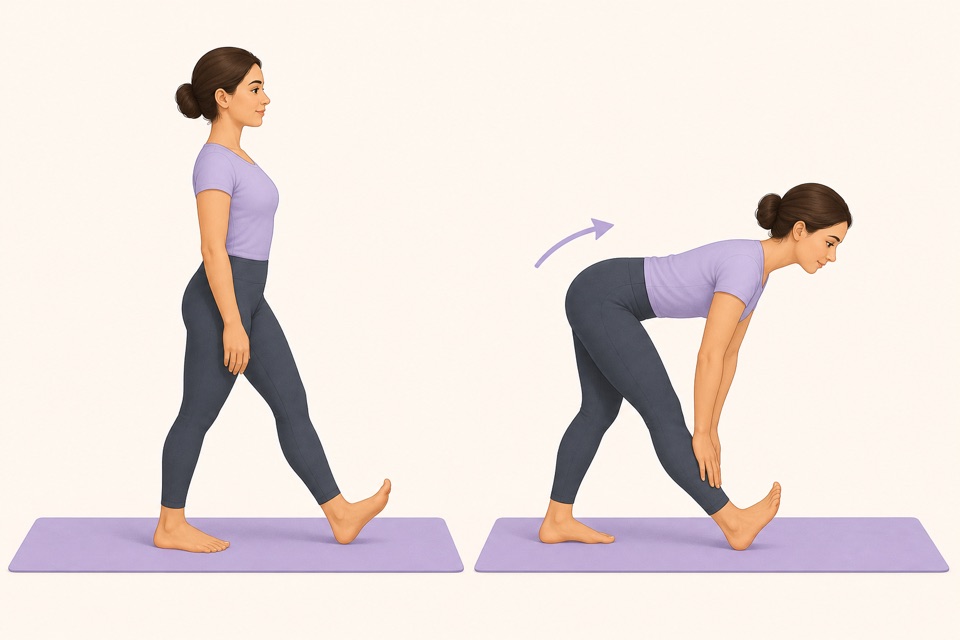
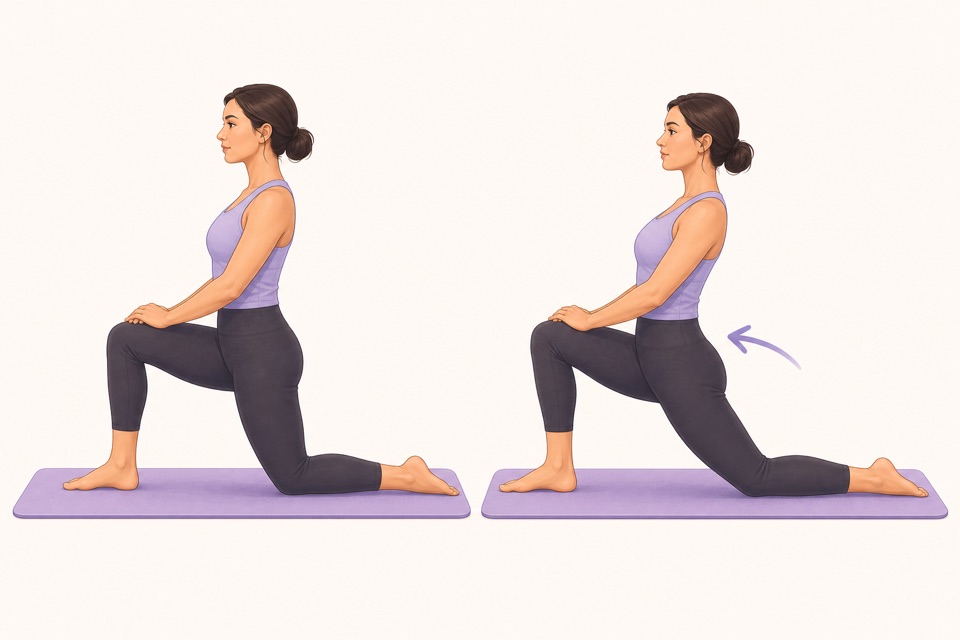
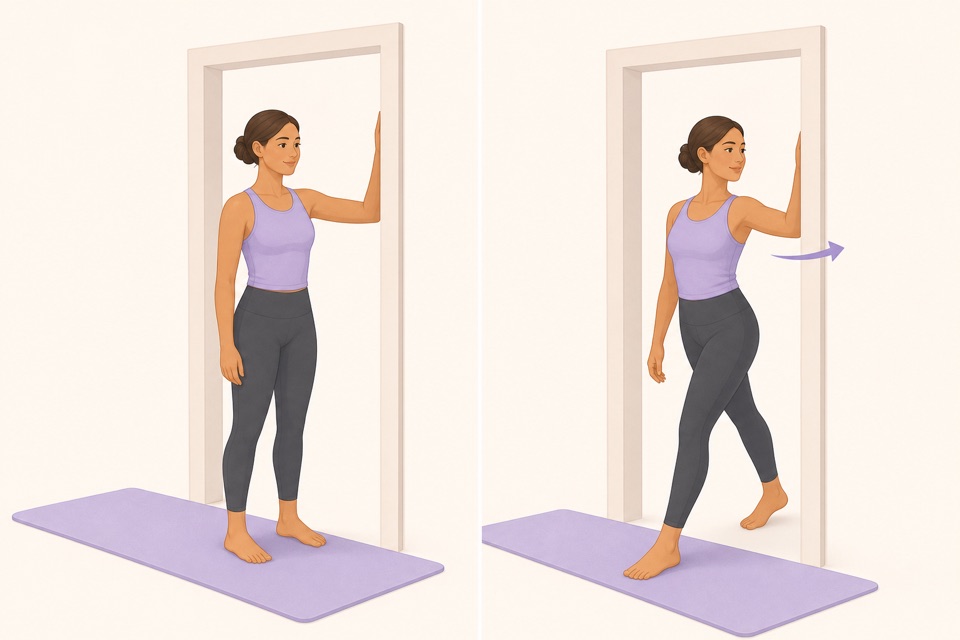
Recommended moves
Turn it into a routine
The app should make flexibility feel like brushing your teeth: short, familiar, and easy to resume. That is the kind of progress people can actually sustain.
This is where a guided app helps: the fewer decisions you make, the more likely you are to repeat the session. A visible timer, a clear next movement, and a saved routine remove the tiny bits of friction that usually stop a good intention.
Sources
Why we keep it gentle
These guides are written for everyday stiffness and habit-building. They are grounded in mainstream guidance on flexibility, movement, and when to seek medical help.
- Stretching: Focus on flexibilityMayo Clinic
- Physical Activity Guidelines for AmericansU.S. Department of Health and Human Services
- Back painMedlinePlus
FAQ
Questions people ask
What should I check before choosing a stretching app?
Look for short routines, clear visual instructions, a visible timer, saved progress, and reminders that feel respectful. A stretching app should remove decisions instead of making you build every session from scratch.
Can beginners start with Wiggle?
Yes. Wiggle is built around short, guided sessions with gentle pacing, simple instructions, and beginner-friendly routines for desk days, tight hips, mornings, and bedtime.
Is Wiggle free to try?
Wiggle offers a 7-day free trial, then paid access. The app shows current subscription pricing clearly before you confirm through the App Store.
Why use an app instead of a saved video?
A saved video can be useful, but an app is better when you want a visible timer, reminders, saved routines, progress history, and a faster way to start the right session for the moment.
Should a stretching app be intense?
No. For everyday habit-building, the app should make gentle consistency easier. A short session that you repeat is more useful than an intense routine that makes you avoid the next one.