Wiggle guide
Mobility and Flexibility App: What to Use When You Feel Stiff Everywhere
A mobility and flexibility app should combine movement, stretching, timers, and repeatable routines for everyday stiffness.
mobility and flexibility app
When people say they feel stiff everywhere, they often need a simple full-body sequence rather than a complex training plan. The app should help them begin, pace the session, and repeat it often.
Wiggle fits this need by turning mobility and stretching into short, guided sessions for normal days.
Quick answer
A mobility and flexibility app should help you move joints through comfortable ranges, then use gentle stretches to make the session feel complete. It should prioritize repeatability over intensity.
If you are still deciding what "mobility app" should mean for everyday stiffness, the mobility app guide gives the shorter decision framework.
What the app should combine
- Dynamic movement to wake up joints.
- Gentle holds for hips, hamstrings, chest, and shoulders.
- A visible timer to keep the session contained.
- Beginner language that avoids jargon.
- A way to save the routines that feel good.
Who this search is for
- People who sit for long hours.
- Beginners who do not want a gym-style mobility plan.
- Users who want five to ten minutes of full-body movement.
- People trying to build a daily flexibility habit.
- Anyone who wants less planning before moving.
How to use Wiggle for this
- Pick a full-body reset when you feel generally stiff.
- Use desk reset when the stiffness is work-related.
- Use bedtime wind-down when the goal is calm.
- Repeat one routine long enough to make it familiar.
- Track consistency instead of chasing range.
From Wiggle
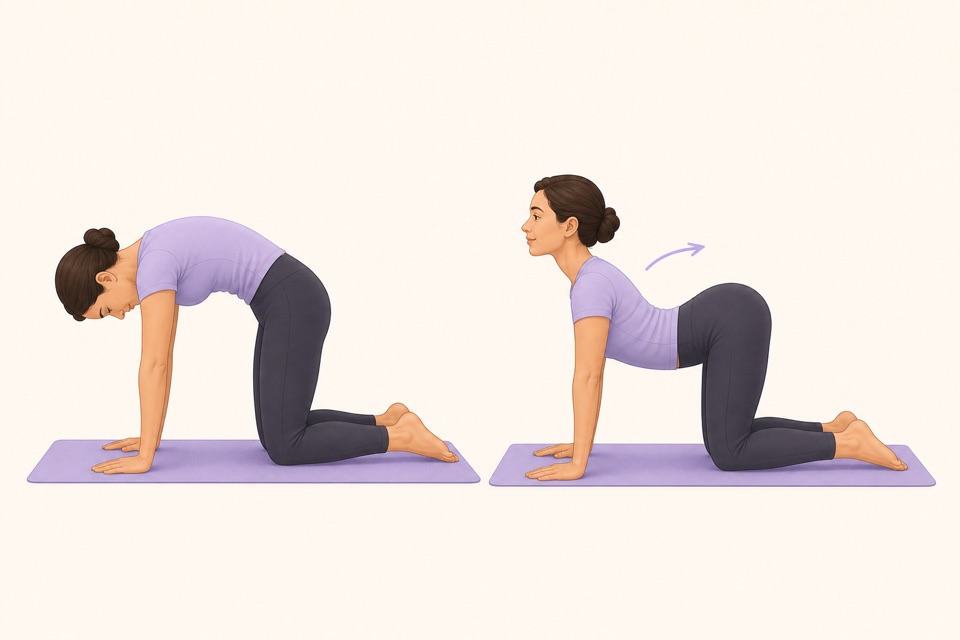
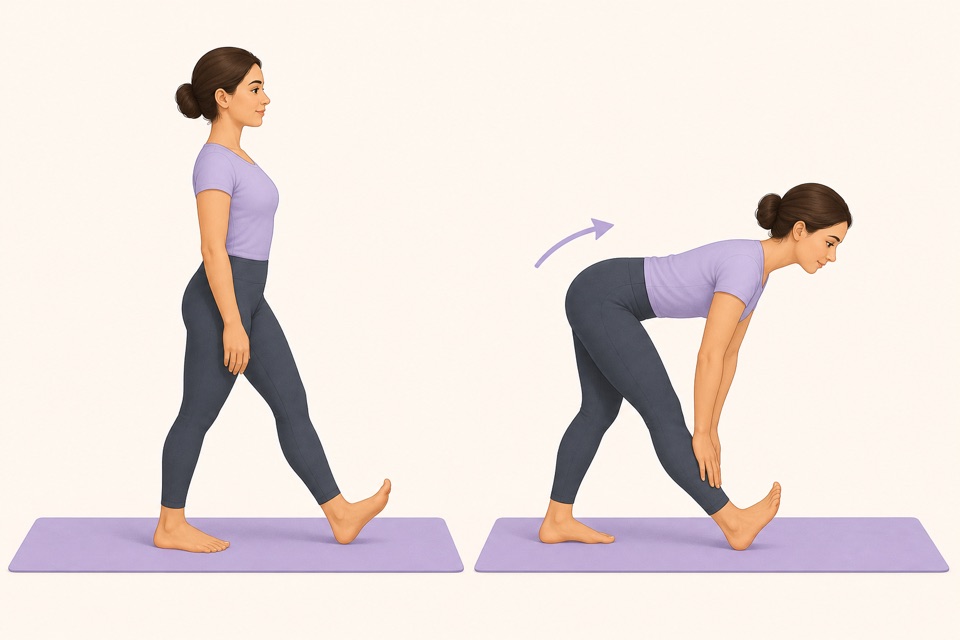
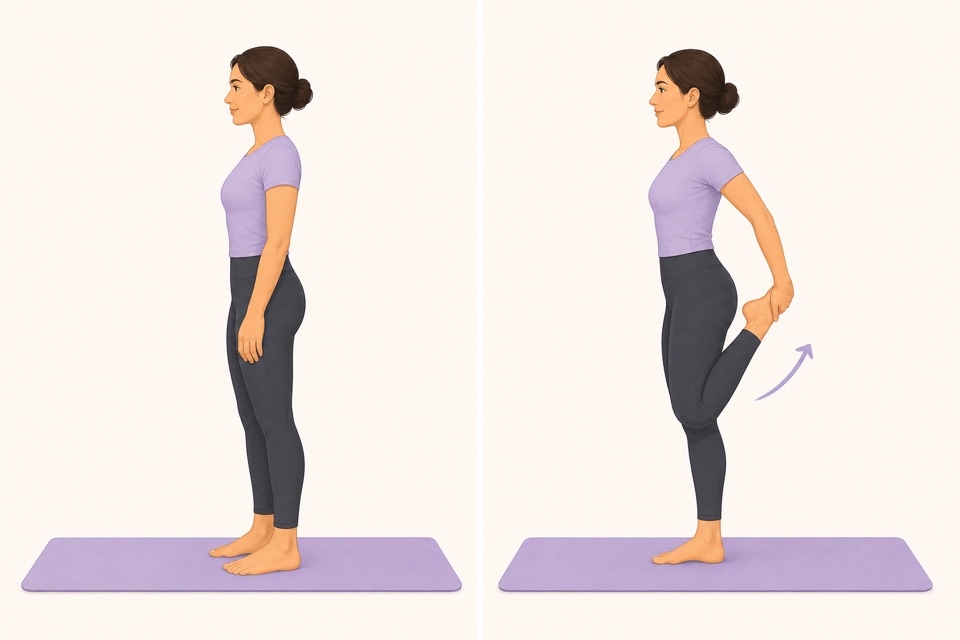
Recommended moves
Turn it into a routine
Mobility and flexibility get easier when the routine is obvious. Wiggle makes the next session feel like a small action, not a project.
This is where a guided app helps: the fewer decisions you make, the more likely you are to repeat the session. A visible timer, a clear next movement, and a saved routine remove the tiny bits of friction that usually stop a good intention.
Sources
Why we keep it gentle
These guides are written for everyday stiffness and habit-building. They are grounded in mainstream guidance on flexibility, movement, and when to seek medical help.
- Stretching: Focus on flexibilityMayo Clinic
- Physical Activity Guidelines for AmericansU.S. Department of Health and Human Services
- Back painMedlinePlus
FAQ
Questions people ask
What should I check before choosing a stretching app?
Look for short routines, clear visual instructions, a visible timer, saved progress, and reminders that feel respectful. A stretching app should remove decisions instead of making you build every session from scratch.
Can beginners start with Wiggle?
Yes. Wiggle is built around short, guided sessions with gentle pacing, simple instructions, and beginner-friendly routines for desk days, tight hips, mornings, and bedtime.
Is Wiggle free to try?
Wiggle offers a 7-day free trial, then paid access. The app shows current subscription pricing clearly before you confirm through the App Store.
Why use an app instead of a saved video?
A saved video can be useful, but an app is better when you want a visible timer, reminders, saved routines, progress history, and a faster way to start the right session for the moment.
Should a stretching app be intense?
No. For everyday habit-building, the app should make gentle consistency easier. A short session that you repeat is more useful than an intense routine that makes you avoid the next one.